Matcha in NYC: Azure Matcha's City Guide (Sep 2026)
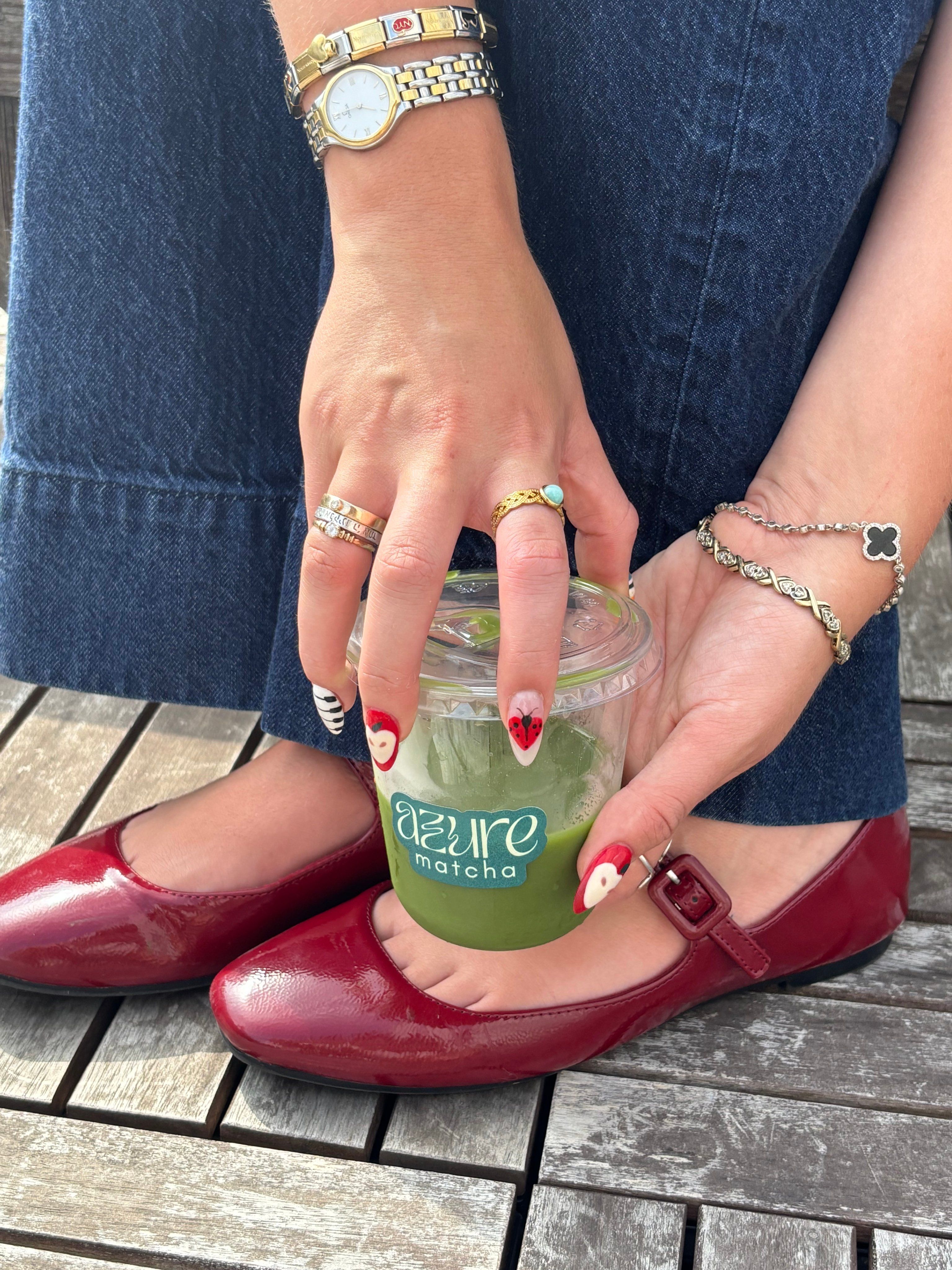
Matcha in New York City has gone from niche import to a fixture across cafes, wellness studios, and hotel lobbies. But more options doesn't always mean better options. Once you know what to look for, sourcing, preparation, and the format itself, the good ones become a lot easier to spot.
TLDR:
- "Ceremonial grade" has no legal definition; ask for the farm region, harvest date, and cultivar instead.
- NYC's matcha scene spans teahouses, specialty cafes, and wellness pop-ups across Manhattan and Brooklyn.
- Vivid green color and a vegetal scent are your fastest quality checks when buying a tin.
- Flat, bitter matcha usually comes from heat or skipping the paste stage, not the leaf itself.
- Azure Matcha runs omakase-style tastings in New York, sourcing farm-direct from Uji, Kagoshima, and Shizuoka.
Why Matcha Has Taken Hold in New York City
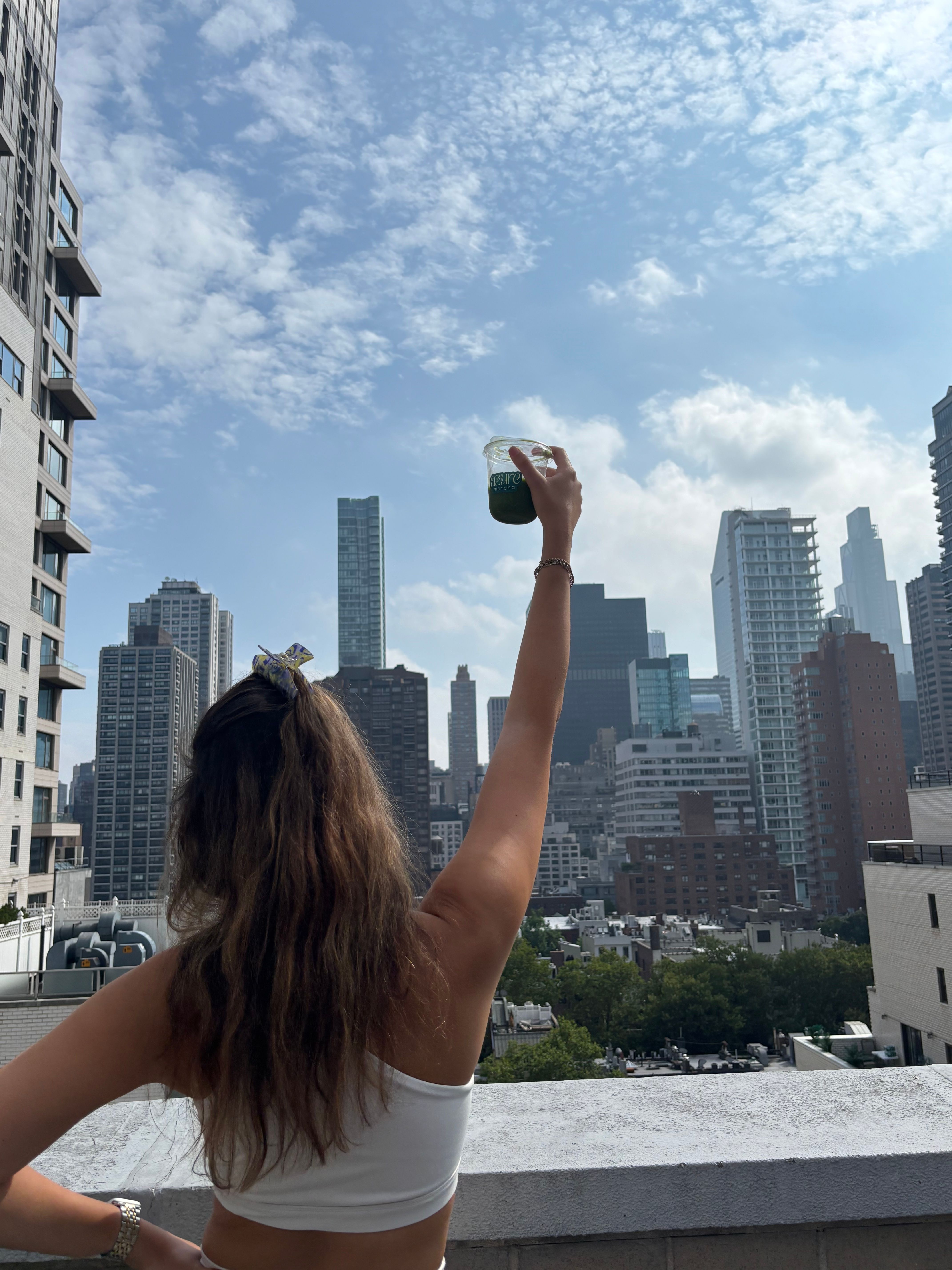
New York has always absorbed food trends fast, but matcha stuck differently. What started as a niche import, found mostly in Japanese tea houses and specialty grocers, has become a staple across the city's cafes, wellness studios, and hotel lobbies. New Yorkers were already moving away from coffee's spike-and-crash toward beverages that offered steadier, longer-lasting energy, and matcha fit that gap cleanly.
The North American matcha market has been growing steadily, driven by rising demand for functional drinks. NYC, with its concentration of health-forward consumers and a cafe scene that rewards specificity, became one of the clearest places to watch that shift play out. The city now has dedicated matcha bars from Midtown to Brooklyn, a range that would have been hard to imagine a decade ago.
What Sets Quality Matcha Apart
Not all matcha is equal, and NYC's growing scene makes that gap more visible. A few signals worth knowing before you order or buy.
- Shade growing: leaves shaded for three to four weeks before harvest are associated with higher L-theanine levels and deeper color. Less shading typically means a flatter, more bitter cup.
- Harvest flush: first-flush leaves, picked earliest in the season, are softer with greater depth of flavor. Later harvests skew grassy and astringent.
- Stone-grinding: small-batch stone-grinding preserves volatile aromatics that high-speed milling burns off.
- Region: Uji, Kagoshima, and Shizuoka each produce distinct flavor profiles. Knowing the region tells you more than a grade label ever will.
- Color: vivid, bright green signals freshness. Olive or khaki tones mean oxidation.
"Ceremonial grade" has no legal definition and no governing body enforcing it. Any brand can print it on a tin. The more reliable questions to ask are where the leaves came from, when they were harvested, and how they were processed.
Types of Matcha Experiences Available in NYC
New York covers a lot of ground with matcha, and the format shapes the experience as much as the leaf itself.
Here is a breakdown of what the city currently offers:
- Traditional teahouse — Preparation Style: Whisked to order, ceremony-rooted; Best For: Slow, intentional drinking; Sourcing Transparency: High
- Specialty matcha cafe — Preparation Style: Single-origin, visible preparation; Best For: Rotating seasonal menus, depth; Sourcing Transparency: High
- Fast-casual counter — Preparation Style: Draft or pre-batched, often blended; Best For: Speed and convenience; Sourcing Transparency: Low to moderate
- Wellness pop-up — Preparation Style: Simple, often whisked on-site; Best For: Post-class social experience; Sourcing Transparency: Moderate
- Retail counter — Preparation Style: In-person demos alongside tins; Best For: Tasting before buying; Sourcing Transparency: High
If you want to understand what you're drinking, a whisked-to-order counter or a tasting-focused pop-up will tell you more than a draft line ever could.
Where to Find Quality, Farm-Direct Matcha in NYC
Finding farm-direct matcha in NYC takes some neighborhood knowledge. The city's offerings are spread across boroughs and vary widely in sourcing, preparation, and depth.
Manhattan
The Upper East Side and Midtown carry traditional teahouses that whisk to order, sometimes including regional flights from Uji, Kagoshima, or Shizuoka. These suit experienced drinkers looking for a slower, guided experience. Downtown and the West Village lean toward the importer-cafe format: farm sourcing displayed behind the counter, guided tasting menus, and staff who can speak to first harvest matcha and cultivar.
Brooklyn and Beyond
Williamsburg and Greenpoint have seen a rise in specialty matcha counters that sit somewhere between cafe and tasting room. Preparation is visible, sourcing is usually traceable, and menus change seasonally. These formats tend to be more approachable without sacrificing quality.
Accessible chains operate across boroughs and offer consistency and speed, but sourcing is harder to verify and preparation is often pre-batched. Fine for a quick cup, less useful if you want to understand what good matcha actually tastes like.
A simple rule: if the staff can name the farm region and preparation happens in front of you, the sourcing is probably worth trusting.
Buying Matcha to Take Home in New York
When buying matcha in New York, the tin tells you what you need to know before you spend anything. Look for a harvest date (over a production date alone), the cultivar name, and the growing region. Stone-ground and small-batch are worth noting if the brand can back them up with specifics.
Color is your fastest quality check. Vivid, grassy green means fresh. Anything olive or dull has already oxidized, and no amount of careful whisking will fix that. Smell it if you can: fresh matcha is vegetal and slightly sweet. Flat or hay-like signals the same problem.
Start with a 30g tin before committing to a larger quantity. It gives you a real feel for the flavor without wasting powder that won't stay fresh once opened. Store it sealed, away from light and heat, and use it within a few weeks of opening.
In-store retail is scattered across specialty grocers and importer-run counters in Manhattan and Brooklyn. Farm-direct options have become more accessible online, including our own tins such as the Azure Premium Blend 80g refill, which open for pre-order in October 2026 and ship across the US.
How Preparation Method Shapes What's in Your Cup
A flat, bitter cup usually comes down to technique. Heat is the fastest way to ruin good leaf. Even water well below boiling can pull out an astringent edge that shouldn't be there. Cold water keeps the leaf's character intact.
The paste stage matters too. A small splash of water whisked into the powder before anything else creates an even base. The three minutes that make the cup come down to exactly these steps. Skip it and you get dense pockets of matcha that no amount of whisking will break up.
Whisking motion is the other variable. A tight W or M pattern pulls in air; circular motion just moves liquid. Done right, the result is fine, dense foam with a matte surface, not large bubbles.
When a cafe whisks to order, you get the benefit of all of this. Batch-prepared matcha bypasses the paste stage entirely, which is why it often tastes flatter, regardless of the powder's quality.
Matcha and New York's Wellness Culture
Matcha's presence in New York's wellness scene has grown well beyond cafes, into pilates studios, yoga spaces, and post-class social hours. Caffeine alongside L-theanine produces a steadier arc than caffeine alone, an effect a review of matcha research attributes to how the two compounds work together, which suits the pace of a yoga or pilates session. For communities built around intentional movement, that distinction matters.
The preparation ritual reinforces this. Whisking matcha is slow by design, a few deliberate minutes that sit naturally alongside the pace yoga and pilates culture already asks of you. Studios and wellness brands across the city have folded Azure Premium Blend matcha service into post-class programming as both a functional and social anchor.
At Azure, our pop-up work has consistently landed in these spaces. New York's wellness audience tends to ask sharper questions about sourcing and preparation than most, which suits us well.
This is where we do some of our best work in the city. Azure runs post-class pop-ups with pilates and yoga studios, folding cold-whisked matcha service into social hours the way we already do with movement partners in our other markets. If your studio or wellness brand wants matcha service built around a class, that is a format we know well.