Making an Earl Grey Matcha Latte (September 2026)
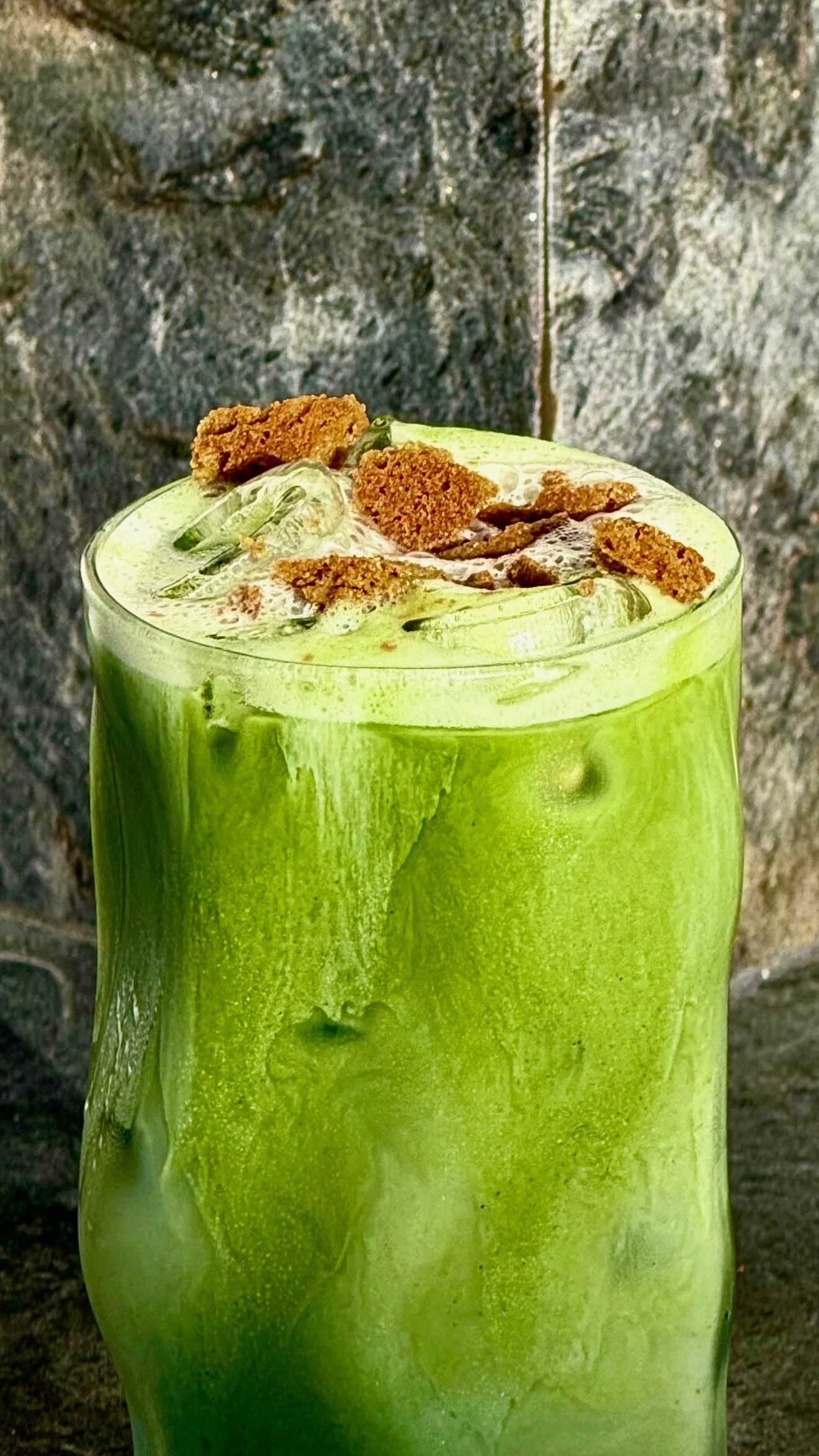
Some combinations earn their place. Matcha brings deep, grassy umami to every sip; earl grey answers with bergamot's floral lift. Together they reach more of the palate than either does on its own, and the ritual of building them in layers is half the pleasure. The difference between a good cup and a flat one comes down to your matcha grade, your steep time, and how you bring those layers together.
TLDR:
- Bergamot's floral citrus oil softens matcha's savory edge; first-flush, shade-grown matcha keeps that balance clean.
- Use 4g matcha, steep earl grey at 200°F for 3-4 minutes, and choose full-fat oat or coconut milk.
- Sift first, build a paste with room temperature water, then whisk in a tight W motion for dense foam.
- Choose iced for visual contrast and bright matcha flavor; choose hot if bergamot aroma is the priority.
- Azure Matcha's blend uses Okumidori and Saemidori cultivars, stone-ground in Uji, with pistachio and soft umami notes that sit cleanly behind bergamot. [FLAG: confirm with Miya - the earl grey essence is listed here implicitly as a sweetener; confirm its correct role as a flavoring essence in this recipe context.]
Why Bergamot and Matcha Work Together
Matcha carries umami: deep, grassy, and savory in a way that sits at the back of the palate. Bergamot goes the other direction entirely, bright and citrus-floral, lifting the top of every sip. One grounds, the other opens.
Earl Grey has been built around bergamot since the 1830s, named after British Prime Minister Charles Grey and defined by that signature citrus oil ever since. The oil comes from the bergamot orange, grown primarily in southern Italy, and reads more floral than tart. That quality is exactly why it softens the edges of matcha's savory notes without fighting them. Matcha alone can feel heavy at full concentration. Bergamot gives it somewhere to breathe.
What Makes a Good Earl Grey Matcha Latte
Three things determine whether this drink works: the matcha, the earl grey, and the milk. Get any one wrong and the balance collapses.
Matcha
Grade matters more here than in most recipes. A first-flush, shade-grown matcha carries the sweetness and umami needed to hold up against bergamot. Lower-grade matcha skews bitter, which bergamot amplifies and never smooths. Color should be vivid green, not khaki.
Earl Grey
Loose leaf gives more control over concentration, but a quality tea bag works fine if steeped correctly. Use filtered water just off the boil (around 200°F) and steep no more than four minutes. Over-steeping pulls tannins that push bergamot from floral to soapy.
Milk
Full-fat oat milk and full-fat coconut milk both work well. Oat reads creamier and neutral, letting bergamot come forward. Coconut adds subtle sweetness that rounds out matcha's savory edge. Thin plant milks dilute both flavors, and layers won't hold cleanly over ice. [FLAG: confirm with Miya - the Island Fog Latte on the drinks page uses a specialty Azure non-dairy earl grey milk and bergamot cold foam, which are not covered here. Confirm whether these should be listed or offered as the preferred option.]
The Ingredients You Need
Each ingredient has a specific role, and the quality of each one shapes the final cup.
- Ceremonial-grade matcha powder: 4g per cup is the right starting point; go up to 6g for a stronger, creamier result. First-harvest matcha from Uji, Kagoshima, or Shizuoka tastes sweeter and rounder, letting the bergamot come through cleanly. Bitter, lower-grade powder muddies the floral notes.
- Earl grey tea: one or two bags, or about two teaspoons of loose leaf. A bergamot-forward blend gives the brew real character that a lightly scented generic black tea simply cannot.
- Milk: full-fat oat or coconut milk. See the Milk and Sweetener Pairings table below for how each affects bergamot.
- Azure earl grey essence: optional, but it reinforces the bergamot without adding a competing flavor and disperses evenly when whisked into the paste.
How to Use Azure Earl Grey Essence
Add the essence directly to the matcha paste before finishing the whisk, or stir it into the finished drink to taste. Store any remaining essence in a sealed glass jar in the refrigerator and use within two weeks, especially if you keep an 80g refill on hand.
The Earl Grey Matcha Latte Recipe (Step by Step)
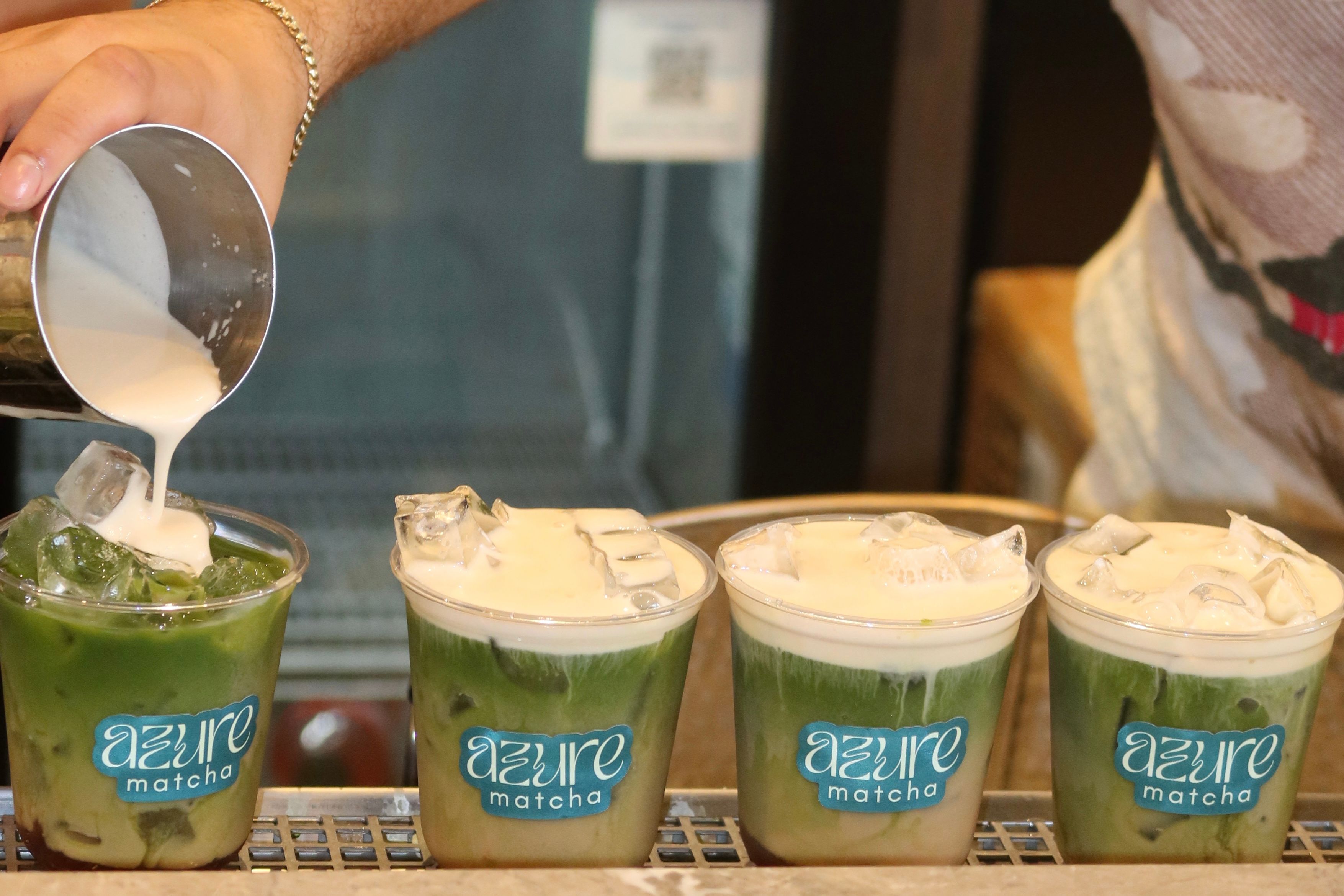
Sift 4g of matcha into a wide bowl to break up any clumps. Add a small splash of room temperature filtered water, just enough to dampen the powder, then whisk in a tight W motion until you have a smooth, glossy paste. Add your earl grey essence here if using, and whisk it into the paste before adding more water.
Pour in roughly 2 oz of room temperature water and continue whisking until fine, dense foam forms on top.
To Finish
- For iced: fill a glass with ice, pour in 4 to 6 oz of cold full-fat oat or coconut milk, then slowly pour the whisked matcha over the top.
- For hot: warm your milk gently (do not boil it), pour it into a mug, then pour the whisked matcha over.
How Caffeine Works in This Drink
Both matcha and earl grey's black tea base contain caffeine, so this drink carries a real lift. What makes it feel different from coffee is L-theanine, an amino acid present in both. L-theanine slows caffeine absorption, which is why the energy curve tends to feel steadier than coffee. Individual responses vary.
Total caffeine depends on your matcha dose and steep time, so treat any specific number as a rough guide (see our frequently asked questions for more detail). If you are sensitive to caffeine, use 3g of matcha and steep the earl grey for two minutes.
Milk and Sweetener Pairings That Work
- Full-fat oat — Texture: Creamy, neutral; Effect on Bergamot: Lets bergamot come forward cleanly
- Full-fat coconut — Texture: Rich, slightly sweet; Effect on Bergamot: Rounds out matcha's savory edge
- Whole dairy — Texture: Dense, classic; Effect on Bergamot: Softens bergamot, pushes creaminess
- Almond — Texture: Thin, watery; Effect on Bergamot: Dilutes both matcha and bergamot
For sweetener, the earl grey essence is the cleanest option: it reinforces the bergamot without adding a competing flavor.
Iced vs. Hot: Which Version to Make
Ice changes more than temperature.
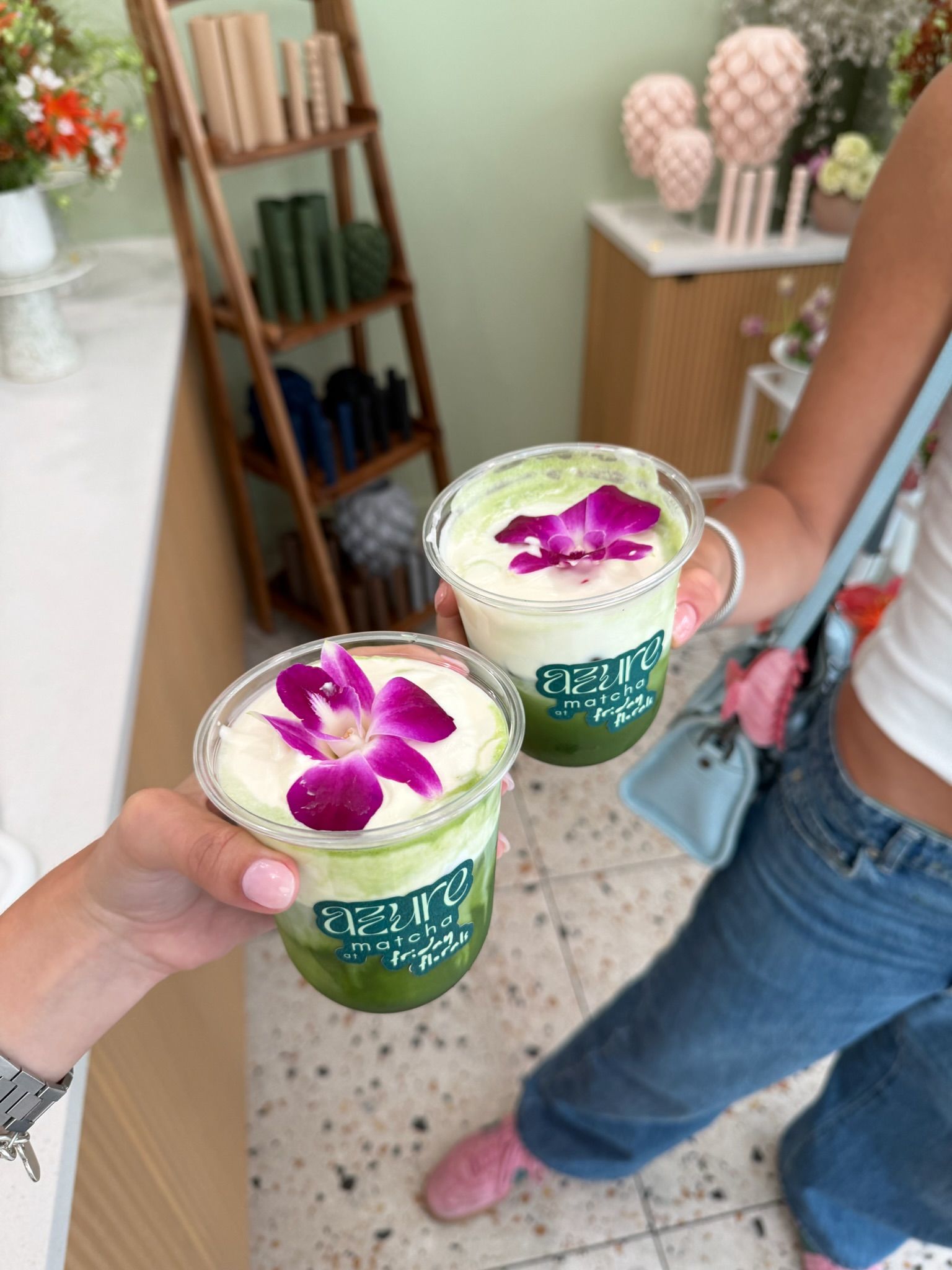
Poured over ice, the whisked matcha sits on top of cold milk for a moment before slowly sinking. That two-tone effect, green over white, is part of why the iced version gets so much attention. Cold prep also preserves matcha's vivid color and grassy brightness, since heat can mute both.
Hot moves the experience toward aroma. Bergamot's floral lift is more pronounced when the drink is warm, filling the space around the cup in a way that ice suppresses. If bergamot is the reason you're making this, hot rewards you more fully.
Make it iced for visual contrast and a crisper, brighter matcha flavor, similar to the Island Fog Latte. Make it hot if you want bergamot front and center and a more classically tea-forward cup.
Troubleshooting Common Mistakes
- Clumps in the foam: you skipped the sift. Dense pockets of powder won't break down during whisking, so sift first, every time.
- Bitter matcha flavor: the water was too warm. Room temperature only. Even slightly hot water scorches first-flush leaf and pulls out astringency that wasn't there before.
- Soapy or tannic earl grey: over-steeped. Pull the bags at three to four minutes, no later. Tannins turn bergamot harsh fast.
- Flat foam with large bubbles: the W or M wrist motion wasn't tight enough, or the paste stage was skipped. Go back to a proper paste before adding more water. Circular stirring moves liquid around without building foam. For the foundational preparation technique, see the Azure Classic.
Azure Matcha's Take on the Earl Grey Matcha Latte
The Azure Premium Blend is built around two cultivars: Okumidori and Saemidori, shade grown for four weeks, hand-picked in the first flush, and stone-ground in Uji. That process produces a flavor profile of pistachio, almond, and soft umami with a sweet cream finish. Those qualities sit cleanly behind bergamot, with no harsh grassiness competing with the floral notes, just a rounded base that lets earl grey do its work.
Our housemade essences and compotes add layering without additives, refined sugar, or competing notes.
30g tins are available for pre-order in October 2026, with full launch in November 2026 through the Azure website and our TikTok Shop at @azure.matcha.
Final Thoughts on the Earl Grey Matcha Latte
Most drinks this layered punish small mistakes hard. This one doesn't. Get the matcha grade right and pull the earl grey bags on time, and the balance largely sorts itself. The more you make it, the more precisely you can tune it to what you actually want.