Iced Matcha Latte Guide: Get It Right (September 2026)
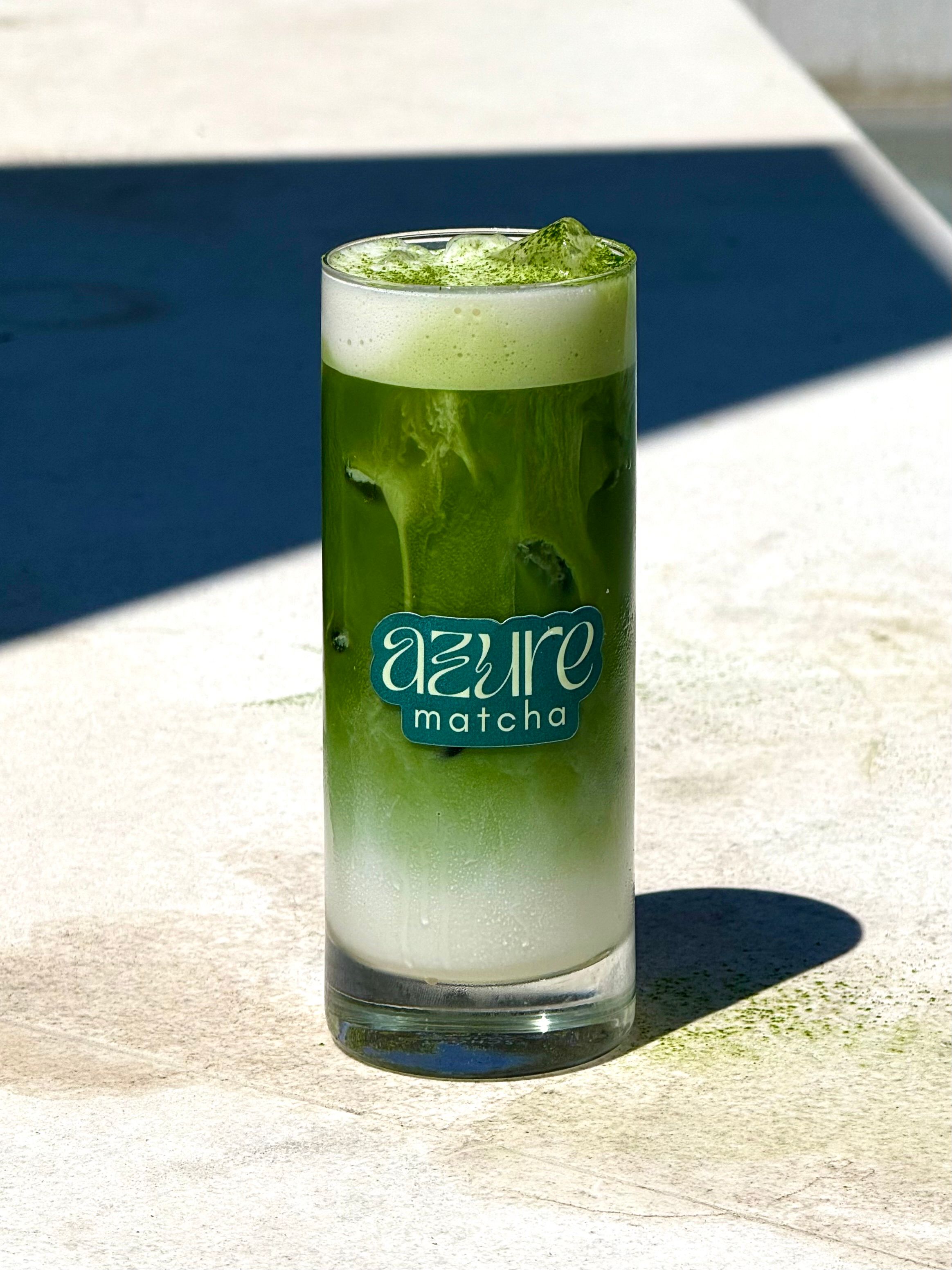
Making an iced matcha latte that actually tastes good comes down to two things: the grade of matcha in your tin and what you do with it before the ice ever touches it. Get those right and the rest is just pouring.
TLDR:
- Most iced matcha lattes disappoint from low-quality leaf or skipped prep steps, usually both.
- Build a smooth paste first: sift, add room temperature water, whisk before any ice goes in.
- Add sweeteners and flavor at the paste stage so they disperse evenly, not pool on top.
- Use 3g for a milk-forward cup or 4-6g for a stronger build with more presence.
- Azure Matcha's Premium Blend uses Okumidori and Saemidori cultivars, shade-grown in Uji, Japan, built for iced preparations.
Why Most Iced Matcha Lattes Disappoint
Most iced matcha lattes disappoint for one of two reasons: low-quality matcha, or prep steps that got skipped. Usually both.
The quality problem is common because culinary-grade matcha, the kind used in most cafes and grocery store tins, comes from later harvests with more sun exposure. That produces a sharper, more bitter flavor that no amount of milk can fully soften. Ceremonial-grade matcha, shade-grown and first-flush harvested, has a naturally sweeter, more rounded character that holds up beautifully over ice.
The prep problem is subtler. Matcha clumps. Pour cold milk straight over unsifted powder and you get bitter pockets, uneven flavor, and a drink that tastes half-finished. The fix is simple, but it requires a couple of intentional steps before the ice goes in.
Ceremonial Grade vs. Culinary Grade: Which One to Buy
The terms "ceremonial grade" and "culinary grade" describe a real quality gap, but neither carries a legal definition. Any brand can print either label on a tin. Look for sourcing specifics: cultivar, harvest timing, shade-growing duration, and region. Our Azure Matcha FAQ covers these distinctions in more detail.
The actual differences come down to leaf selection and shading. Culinary-grade matcha typically uses leaves from later harvests with less shade time, which raises bitterness and cuts sweetness. Ceremonial-grade matcha starts with younger, shade-grown, first-flush leaves, producing a smoother, more rounded flavor.
For a milk-heavy iced latte with syrups and sweeteners, culinary grade can work fine. The milk carries it. Where it falls short is in simpler builds: less milk, no sweetener, just matcha and ice. There, the flavor has nowhere to hide.
Matcha sourced by harvest, cultivar, and region, not by label, rewards those cleaner preparations. That is where the difference shows up in the glass.
Ingredients and Equipment You Actually Need
Gather everything before you start. The list is short, and each item has a reason to be there.
Ingredients:
- Ceremonial-grade matcha powder, sourced by cultivar and harvest
- Room temperature filtered water, for the paste stage
- Ice
- Milk of choice
- Sweetener or flavoring, if using
Equipment:
- A small sifter or fine-mesh strainer: matcha clumps on contact with liquid, and sifting is the only reliable fix
- A wide bowl: the whisk needs room to move
- A bamboo whisk (chasen): an electric frother can blend, but it cannot build the paste stage the same way
The paste stage is the step most people skip, and it is why clumps survive into the final drink.
How to Make an Iced Matcha Latte
Sift the matcha into a wide bowl first. Even 20 seconds of pushing it through a fine-mesh strainer breaks up the clumps that cause uneven flavor later. Skip this and no amount of whisking saves the final drink.
Add a small splash of room temperature water, just enough to dampen the powder. Whisk fast and tight until it forms a smooth, glossy paste, a step covered in detail in the three minutes that make the cup. If you are adding a sweetener or flavoring, put it in here, whisked into the paste before more water goes in so it disperses evenly, with no pooling on top.
Once the paste looks smooth, slowly add the remaining water while whisking in a W or M motion. Circular whisking just moves liquid around; the W/M pattern pulls in air and builds foam. You are looking for fine, dense foam on top and a vivid green underneath.
Pour over a full glass of ice, then add your milk. For a straightforward reference build, see The Azure Classic.
Choosing Your Milk and How It Changes the Drink
Milk choice shapes the drink more than most people expect. According to Tastewise, oat milk, almond milk, and coconut milk are now standard pairings for matcha lattes, each pulling the flavor in a different direction.
- Oat milk — Flavor Profile: Naturally sweet; softens matcha's grassy edge; Fat & Mouthfeel: Medium; froths cleanly with barista-grade versions; Best For: Forgiving, everyday builds
- Almond milk — Flavor Profile: Light and dry; lets matcha read more clearly; Fat & Mouthfeel: Low; thinner finish; Best For: Cleaner, matcha-forward builds
- Coconut milk — Flavor Profile: Rich and slightly sweet; floral undercurrent; Fat & Mouthfeel: Medium-high; silkier finish; Best For: Bolder builds with floral add-ins
- Whole dairy — Flavor Profile: Neutral; fat-forward creaminess; Fat & Mouthfeel: High; rounds out almost any preparation; Best For: Classic, full-bodied lattes
Fat content drives mouthfeel. Higher fat means a silkier finish; lower fat keeps the drink cleaner but thinner. Pick based on how much presence you want the milk to have relative to the matcha.
Sweeteners, Add-Ins, and Flavor Variations
Once the base is dialed in, there is real room to play.
Sweeteners work best when whisked into the paste before any extra water goes in. Simple syrup dissolves instantly and stays neutral, letting the matcha lead. Honey adds a floral warmth that pairs well with lighter milk builds. Agave runs slightly thinner and sweeter. Date syrup brings depth without sharpness, closer to caramel than sugar.
Flavor add-ins follow the same logic: paste stage, not poured on top. A drop of vanilla extract, a spoon of yuzu or lemon juice, a spoonful of strawberry compote, or brown sugar dissolved into the paste all disperse evenly. Added after the fact, they float or sink and never fully integrate.
A few directions worth trying:
- Vanilla: softens any grassy edge and works with nearly every milk
- Citrus: yuzu especially brightens the whole drink without adding much sweetness
- Strawberry: pairs better with oat or coconut milk than with dairy
- Brown sugar: adds a molasses note that makes a simple build feel more substantial
Tips for Getting It Right Every Time
Small details separate a flat, clumpy latte from one that tastes intentional.
- Sift every time. It takes 20 seconds, and skipping it causes more problems than any other step.
- Use room temperature water, never hot. Heat pulls bitterness out fast, even from good-quality leaf. Cold water keeps the flavor rounder and sweeter.
- For a lighter, milk-forward cup, use 3g of matcha. For something stronger with more presence, go 4-6g.
- Fill the glass with ice fully. A half-full glass melts faster and dilutes the drink before you finish it.
- Taste at the paste stage. A smooth paste is the easiest point to adjust sweetener or flavoring before the full volume of water makes changes harder to control.
A paste that tastes slightly under-sweetened will taste even flatter once diluted. Adjust there, before the ice and milk go in, and the final drink lands closer to what you were aiming for.
How Azure Matcha Builds the Iced Matcha Latte
The method described throughout this post, sifting, paste, cold whisk, is the same one we use every time. The Azure Premium Blend is built for exactly this preparation: Okumidori and Saemidori cultivars, shade-grown for three to four weeks, stone-ground in small batches in Uji, Japan. The flavor profile, pistachio, almond, mellow umami, and sweet cream caramel, holds cleanly in milk-forward iced builds without needing much added sweetness to feel complete. Regular users may prefer the 80g refill for everyday preparation.
Where we take it further is the paste stage. Our housemade essences and compotes, refined-sugar-free, oil-free, dye-free, and made from organic whole ingredients, go into the paste before any liquid. That is what makes flavor integrate fully, not float on top.
The 30g tin is available through the Azure Matcha website and TikTok Shop.
Final Thoughts on Crafting a Better Iced Matcha Latte
Good matcha and a proper paste stage do more for your drink than any milk or syrup can. Sift every time, taste at the paste, and let your milk choice do its job from there.
FAQ
How does ceremonial grade matcha differ from culinary grade, and does it matter for an iced matcha latte?
Ceremonial grade matcha uses younger, shade-grown, first-flush leaves, producing a sweeter, rounder flavor with less bitterness. For a milk-heavy iced latte with added sweetener, culinary grade can hold its own, but in simpler builds with less milk and no sweetener, the quality gap shows clearly in the glass. The distinction is real even though neither term carries a legal definition, so look for sourcing specifics like cultivar, harvest, and region, beyond the label.
What's the best milk for an iced matcha latte?
Oat milk is the most forgiving choice: its natural sweetness softens matcha's grassy edge and barista-grade versions hold up well over ice. Almond milk lets the matcha read more clearly, coconut milk adds a floral richness, and whole dairy brings a fat-forward creaminess. Your choice should come down to how much presence you want the milk to have relative to the matcha.
Can I make a good iced matcha latte without a bamboo whisk?
A bamboo whisk (chasen) builds the paste stage in a way an electric frother cannot replicate. The paste stage, where a small splash of room temperature water is worked into the sifted matcha before any liquid is added, is what prevents clumps and creates even flavor throughout the drink. Skipping or shortcutting that stage is the main reason iced matcha lattes come out flat or bitter, regardless of matcha quality.
How do I keep my iced matcha latte from tasting bitter or grassy?
Two fixes handle most bitterness: use room temperature water instead of hot (heat pulls harshness out fast, even from good-quality leaf), and do not skip the paste stage before adding full liquid. If the flavor still reads too sharp, lower your dose to 3g and taste at the paste stage before ice and milk go in, since adjusting after dilution is much harder.
What should I look for when choosing a ceremonial grade matcha for iced lattes?
Look for sourcing specifics, not label claims: cultivar name, shade-growing duration (three to four weeks is standard for first-flush leaf), harvest timing, and region (Uji, Kagoshima, and Shizuoka are Japan's key growing areas). Azure Matcha's Premium Blend uses Okumidori and Saemidori cultivars, shade-grown and stone-ground in small batches in Uji, with a flavor profile of pistachio, almond, mellow umami, and sweet cream caramel that holds cleanly in milk-forward iced builds.