Matcha in LA: What Azure Matcha Brings to the City (Sept 2026)
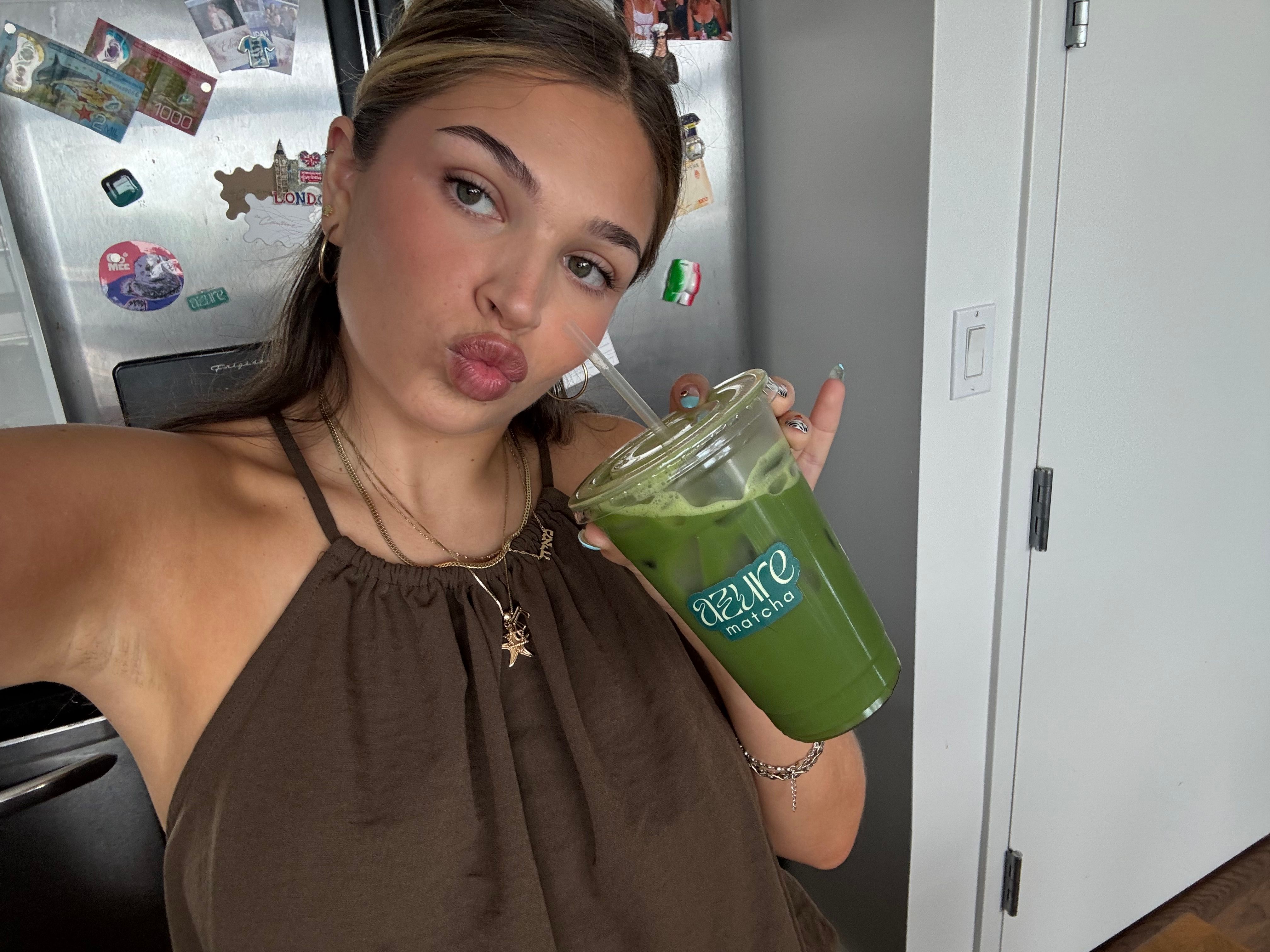
The matcha on your local cafe menu and the matcha in a stone-ground, first-flush tin are not the same drink. In Los Angeles, where sourcing and ritual both get taken seriously, that gap matters. If you want to understand what separates a great cup from a forgettable one, and where to find it in the city, this covers all of it.
TLDR:
- LA's matcha scene spans distinct neighborhoods, from Little Tokyo's tea tradition to West Hollywood's daily ritual crowd
- "Ceremonial grade" has no legal definition; named growing regions and stone-ground processing are the real quality signals
- Stone-grinding stays below 30°C, preserving the aromatic compounds that give first-flush matcha its umami depth
- Use room temperature water, sift first, and whisk to a paste before adding more water to avoid bitterness at home
- Azure Matcha sources Okumidori and Saemidori cultivars, first-flush, stone-ground in Uji, with farm-direct relationships across Uji, Kagoshima, and Shizuoka
Why Matcha Has Taken Hold in Los Angeles
Los Angeles was always going to be where matcha landed hardest. The city has spent decades building a culture around intentional living, clean ingredients, and movement practices that treat wellness as a lifestyle, not a correction. Matcha fits that world precisely: slow preparation, no crash, a ritual you can build a morning around.
The city also has one of the largest Japanese-American communities in the country, which gave matcha cultural roots here long before it became a cafe menu staple. That same coastline is where Azure Matcha began, and the Laguna to Miami arc makes sense from here.
The numbers back the momentum. Japanese tea exports reached a record 72.1 billion yen ($452 million) in 2025, up 98% year-over-year, led by US demand. LA is a big part of why those numbers look the way they do.
LA's Matcha Neighborhoods
Los Angeles doesn't have one matcha scene. It has several, each with its own character.
Here's a quick look at the neighborhoods where matcha culture has taken root most clearly.
Little Tokyo
The cultural anchor. A longtime tea shop in this neighborhood has served this community since 2014, rooted in Japanese tea tradition, not cafe trend cycles.
West Hollywood
The most visible stretch of matcha culture in the city right now. Several matcha spots draw the crowd that treats a well-made drink as part of the daily ritual.
Koreatown
A more eclectic mix. Several spots sit at the crossroads of East Asian tea culture and LA's indie cafe energy, drawing a younger, more adventurous crowd.
Silver Lake and Echo Park
Specialty-driven and lower-key. These neighborhoods tend toward independent operators with a serious sourcing mindset, less about the scene and more about the cup.
What Matcha Tastes Like
Matcha sits in its own flavor category. The first thing most people notice is umami, a savory depth beneath a gentle sweetness. When the grade is right, the finish is rounded, faintly creamy, with a lingering sweetness that builds and holds.
It differs from green tea in a way that matters for flavor. Green tea is brewed from steeped leaves; matcha is the whole leaf, stone-ground into a fine powder and whisked directly into water. Consuming the entire leaf means more concentrated flavor, vivid green color, and a smooth texture a steeped cup cannot deliver.
The grassy or bitter reputation comes from grade and preparation. Lower-grade powder, harvested later in the season with more sun exposure, pulls bitter fast. First-flush, shade-grown leaf ground in small batches behaves entirely differently: sweeter, rounder, with none of that harsh aftertaste. Azure's Premium Blend is built around exactly this kind of leaf, Okumidori and Saemidori cultivars, first-flush, shade-grown for four weeks. Water temperature matters too. Water that is too hot scorches the leaf before the first sip.
How to Identify Good Matcha Before You Buy
Los Angeles has plenty of matcha on shelves and menus, but the quality gap between a genuinely good tin and a mediocre one is wider than most people realize. Four sensory checks will tell you most of what you need to know before spending anything.
- Color — What Good Looks Like: Vivid, bright emerald; Red Flag: Dull, olive, or yellowish: oxidized or late-season harvest
- Texture — What Good Looks Like: Silky and fine between your fingers; Red Flag: Gritty, which signals coarser grinding and lower harvest grade
- Aroma — What Good Looks Like: Fresh, grassy-sweet, faintly vegetal; Red Flag: Flat or hay-like, pointing to age or low grade
- Taste — What Good Looks Like: Umami-forward with gentle, rounded sweetness; Red Flag: Harsh bitterness; more sun exposure during the grow draws out sharper compounds
Beyond the senses, read the label carefully. A named Japanese growing region (Uji, Kagoshima, Nishio, Shizuoka) is a meaningful signal, as is harvest and processing transparency. Understanding first harvest matcha and ichibancha helps explain why origin specificity matters. A tin that tells you how and where it was stone-ground is telling you something a generic bulk powder cannot. The Azure Premium Blend is one example: Okumidori and Saemidori cultivars, stone-ground in Uji, with farm-direct sourcing disclosed on the tin.
One term worth understanding: "ceremonial grade" has no legal or government-enforced definition. Any brand can print it. Origin specificity and processing transparency are what actually tell you something real.
Why Stone-Ground Matcha Tastes Different
Traditional granite stone mills, called ishi-usu, grind dried tencha leaves into particles as fine as 5 to 15 microns. The key is heat, or rather the lack of it. Stone-grinding stays cool during grinding, which keeps the volatile aromatic compounds intact. Those compounds are what give high-grade matcha its characteristic sweetness and umami depth. Industrial grinding runs hotter and degrades them, pulling the flavor toward bitterness before the powder ever reaches a bowl.
The difference shows up clearly in the cup. Stone-ground matcha delivers more pronounced umami, a smoother texture, and a stable vivid green color because the chlorophyll molecules survive the process. Dull or yellowish powder is often a sign that the heat got there first. Azure's Uji stone-ground process follows this same traditional method, which is why the powder holds its vivid green color through to the cup.
Matcha Experiences Beyond the Cafe in LA
Los Angeles has built something beyond a cafe culture around matcha. Guided tastings, reservation-only flights, and studio pop-ups have carved out a distinct hosted matcha ritual for people who want context alongside their cup.
One four-seat tasting counter in Los Feliz is a good example of the format. It operates more like a wine bar than a tea shop: small group, curated flights, origin context for each variety. With only four seats, the conversation goes deeper than any menu board allows.
Wellness studios have taken their own angle on this. Pop-ups at pilates and yoga spaces pair matcha with movement, treating the drink as one element of a broader ritual, not a standalone product. The appeal tracks with how LA approaches wellness generally: layered, intentional, and social.
Immersive tasting formats follow a similar logic to omakase dining. Each matcha served carries its own origin story, cultivar, and preparation method, giving participants enough context to actually taste the differences. For a city that takes ingredient provenance seriously, this format lands naturally.
Making Matcha at Home in Los Angeles
At home, quality matcha prep comes down to three pieces of equipment: a bamboo chasen, a fine-mesh sifter, and a wide bowl. The bowl matters more than most people expect. A narrow cup leaves the whisk no room to build proper foam.
Sifting is not optional. Matcha clumps on contact with air, and those dense pockets won't break down no matter how long you whisk. Thirty seconds through a sifter before anything else saves the whole cup.
Water temperature is where most home prep goes wrong, and the three minutes that make the cup are easier to get right than most people expect. Near-boiling water scorches first-flush leaf and pulls out bitterness the leaf doesn't actually contain. Room temperature filtered water keeps the flavor rounder and sweeter, without the harsh aftertaste that gives matcha an undeserved reputation. That cold-whisking approach is what Azure Matcha uses and recommends for its Okumidori and Saemidori blends.
The method: sift the powder, add a small splash of water, and whisk into a smooth paste before adding the rest. For variations beyond the bowl, Azure matcha recipes cover a range of preparations. That paste stage disperses the matcha evenly. Skip it and the flavor will be uneven regardless of what follows.
Azure Matcha Arrives in Los Angeles
Azure Matcha was built around the California coast from the start. The founders, Miya and Sameer, grew up in Laguna Beach, and that origin is written into the brand's name, its philosophy, and every sourcing decision behind it. Los Angeles was never a stretch.
The first LA event lands October 11, 2026: Azure x Dripped Pilates in Encino. The format pairs matcha with a post-movement social hour, treating the drink as one part of a broader wellness ritual, not a standalone product.
The Azure Premium Blend uses Okumidori and Saemidori cultivars, shade grown for four weeks, hand-picked in the first flush, and stone-ground in small batches in Uji. No distributors, no middlemen. Farm-direct relationships with growers across Uji, Kagoshima, and Shizuoka. An 80g refill option is available for those who want to stock up.
The Azure Premium Blend 30g tin is available for early sign-up now via the Azure Matcha website and TikTok Shop, with pre-order opening mid-October and full launch in November 2026.
Final Thoughts on Matcha in Los Angeles
LA's matcha culture rewards curiosity. The more you understand about grade, origin, and preparation, the more you get out of every cup. There's no shortage of places in the city to start, and the difference between a well-made matcha and a mediocre one is something you'll taste clearly once you know what to look for.
FAQ
What does matcha taste like compared to regular green tea?
Matcha tastes nothing like brewed green tea. The dominant note is umami, a savory depth that sits beneath a gentle, rounded sweetness, with a finish that builds and holds. The difference comes from the whole leaf: green tea steeps and is discarded, while matcha is the entire leaf stone-ground into powder and whisked directly into water, which produces a more concentrated flavor, vivid color, and a smooth texture no steeped cup can replicate.
What is stone-ground matcha and why does it taste better than other matcha?
Stone-ground matcha uses granite mills kept below 30°C, preserving the aromatic compounds that give matcha its umami depth. Industrial grinding runs hotter, dulling flavor and color.
How do I know if I am buying high-quality matcha from Japan?
Four checks tell you most of what you need to know: vivid emerald color (dull or olive powder has oxidized), silky texture between your fingers (gritty signals coarser grinding), a fresh grassy-sweet aroma (hay-like smell points to age or low grade), and a rounded umami finish without harsh bitterness. On the label, look for a named Japanese growing region (Uji, Kagoshima, Shizuoka, Nishio) and transparency about harvest and processing. Look for a named region and stone-grinding disclosure instead.
What matcha experiences can I find in Los Angeles beyond standard cafe orders?
Los Angeles has a real experiential layer built around matcha. One four-seat tasting counter in Los Feliz runs curated flights with origin context for each variety, closer in format to a wine bar than a tea shop. Wellness studios across the city host pop-ups that pair matcha with pilates and yoga, and immersive omakase-style tasting formats walk participants through cultivar, preparation, and provenance with each cup. Azure Matcha's first LA event, Dripped Pilates x Azure Matcha in Encino, lands October 11, 2026.
Can I prepare high-quality matcha at home without barista equipment?
Yes. Three tools are enough: a bamboo chasen, a fine-mesh sifter, and a wide bowl. The method that makes the biggest difference is building a paste first, sift the powder, add a small splash of room temperature water, and whisk until smooth before adding the rest of the water. Skipping the paste stage and using water that is too hot are the two most common reasons home matcha tastes flat or bitter, and neither problem requires special equipment to fix.