Matcha vs. Coffee: What You Actually Choose Between (September 2026)
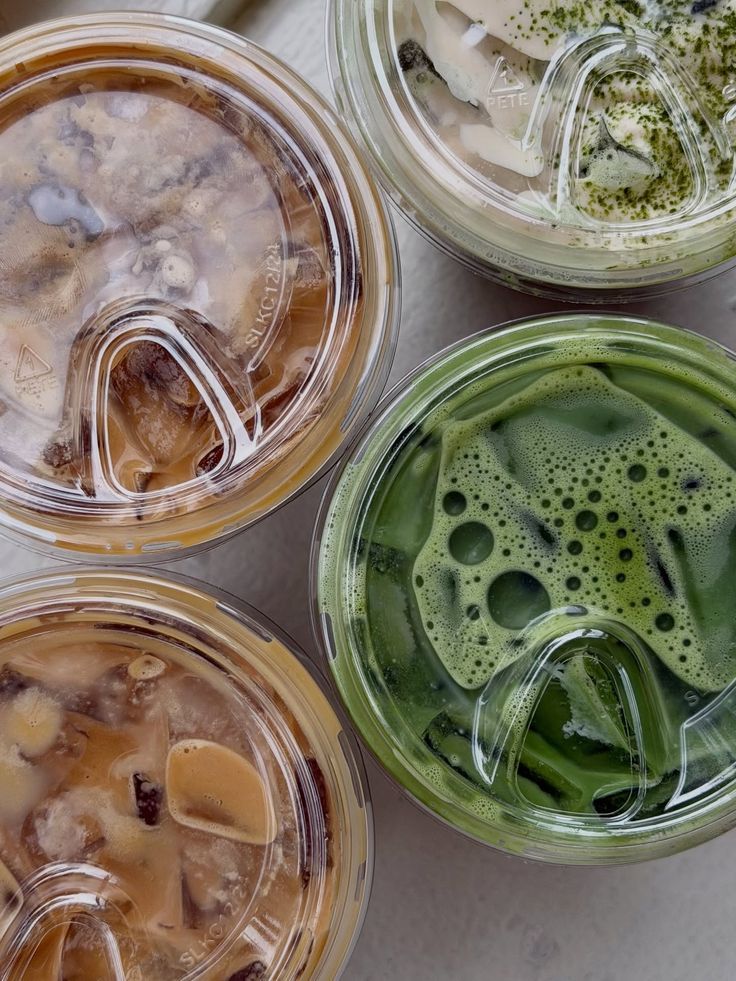
Switching from coffee to matcha, or just thinking about it, usually comes with a lot of noise about antioxidants and health benefits. The more useful question is simpler: what do you want from your drink? The energy curve is different, the taste is different, and the prep is different. Here's a clear look at what you're actually choosing between.
TLDR:
- Matcha: ~4g per serving (3g for lighter, up to 6g for stronger and creamier).
- Caffeine: roughly 70 mg per matcha serving vs. roughly 95 mg for coffee (working estimates; published figures vary).
- Key difference: L-theanine in matcha slows caffeine release for a steadier energy curve.
- Prep time: approximately 3 minutes using the sift, paste, whisk method with room temperature filtered water.
- To combine: use a single espresso shot with a standard 4g matcha serve. Whisk the matcha paste first, then layer.
What Matcha and Coffee Actually Have in Common
Both drinks contain caffeine, deliver antioxidants, and run close to zero calories on their own. As GoodRx notes, they share high antioxidant content alongside their caffeine, putting them in the same general territory as daily energy drinks with some nutritional upside. Neither requires added sugar or milk, and both fit easily into most routines without much caloric cost.
The ritual angle is similar too. Coffee has its grind, its brew time, its preferred vessel. Matcha has its whisk, its bowl, its paste stage. People who care about how their drink is made tend to gravitate toward one or the other for that reason as much as for any health rationale.
How Caffeine Works Differently in Each Drink
Coffee delivers caffeine fast. The spike is real, and for many people, so is the drop that follows a few hours later. Matcha works differently because of L-theanine, an amino acid that occurs naturally in tea leaves and slows how quickly caffeine enters your system. Research on L-theanine and caffeine combined suggests the pairing does something meaningfully different from caffeine alone, with effects on focus and attention distinct from caffeine by itself.
On the numbers: a standard cup of coffee carries roughly 95 mg of caffeine, while a matcha green tea caffeine serving lands around 70 mg, paired with 30 to 46 mg of L-theanine. Treat those as working estimates since published figures vary. The caffeine gap is smaller than most people assume, but the L-theanine variable is what actually changes the experience.
How Matcha and Coffee Taste: A Side-by-Side Look
Coffee's flavor is built on roast. Darker roasts go bitter and smoky; lighter roasts pull acidity and fruit forward. The base note is always something charred and warm.
Matcha reads differently. Lower grades can be grassy and vegetal. Higher grades, especially first-flush leaves that are shade-grown before harvest, tend toward umami, sweet cream, and fresh spring greens. Preparation matters as much as grade: skipping the paste stage, using hot water, or under-whisking will flatten any matcha into something duller than it should be.
- Primary notes — Matcha: Umami, sweet cream, vegetal; Coffee: Roasted, bitter, acidic
- Finish — Matcha: Smooth, lingering sweetness; Coffee: Sharp or dry
- Texture — Matcha: Frothy, slightly thick; Coffee: Thin to syrupy depending on brew
- Range — Matcha: Grassy (low grade) to silky (high grade); Coffee: Bright (light roast) to smoky (dark roast)
If coffee reads too sharp or acidic, matcha's softer profile is worth trying. If matcha reads too green or earthy, a high-grade preparation with a longer paste stage usually changes that.
Ceremonial Grade vs. Culinary Grade: Why It Matters for the Comparison
When people compare matcha to coffee, they're often comparing very different things without knowing it. The matcha in a grocery store smoothie powder and the matcha in a carefully whisked bowl share a name and little else.
Culinary-grade matcha comes from later harvests, with more sun exposure and a coarser grind. The flavor is sharper, more bitter, and harder to drink straight. It works fine baked into cookies, but as a beverage competing with a good cup of coffee, it struggles.
The difference between ceremonial and culinary matcha grades is real, though ceremonial-grade has no legal definition, so any brand can use it freely. What actually signals quality: first-flush harvest timing, four or more weeks of shade-growing, stone-grinding in small batches, and known cultivars like Okumidori or Saemidori from recognized regions like Uji.
Most people who say they dislike matcha have tried culinary-grade prepared without care. That's the grade talking, not the plant.
How Each Drink Is Made
Coffee prep varies widely. A French press takes four minutes of hands-off steeping. An espresso machine finishes in under thirty seconds. Pour-over sits somewhere in between, with more control over water temperature, grind size, and extraction time. Each method changes the cup: grind coarser and you get less bitterness, finer and you pull more intensity.
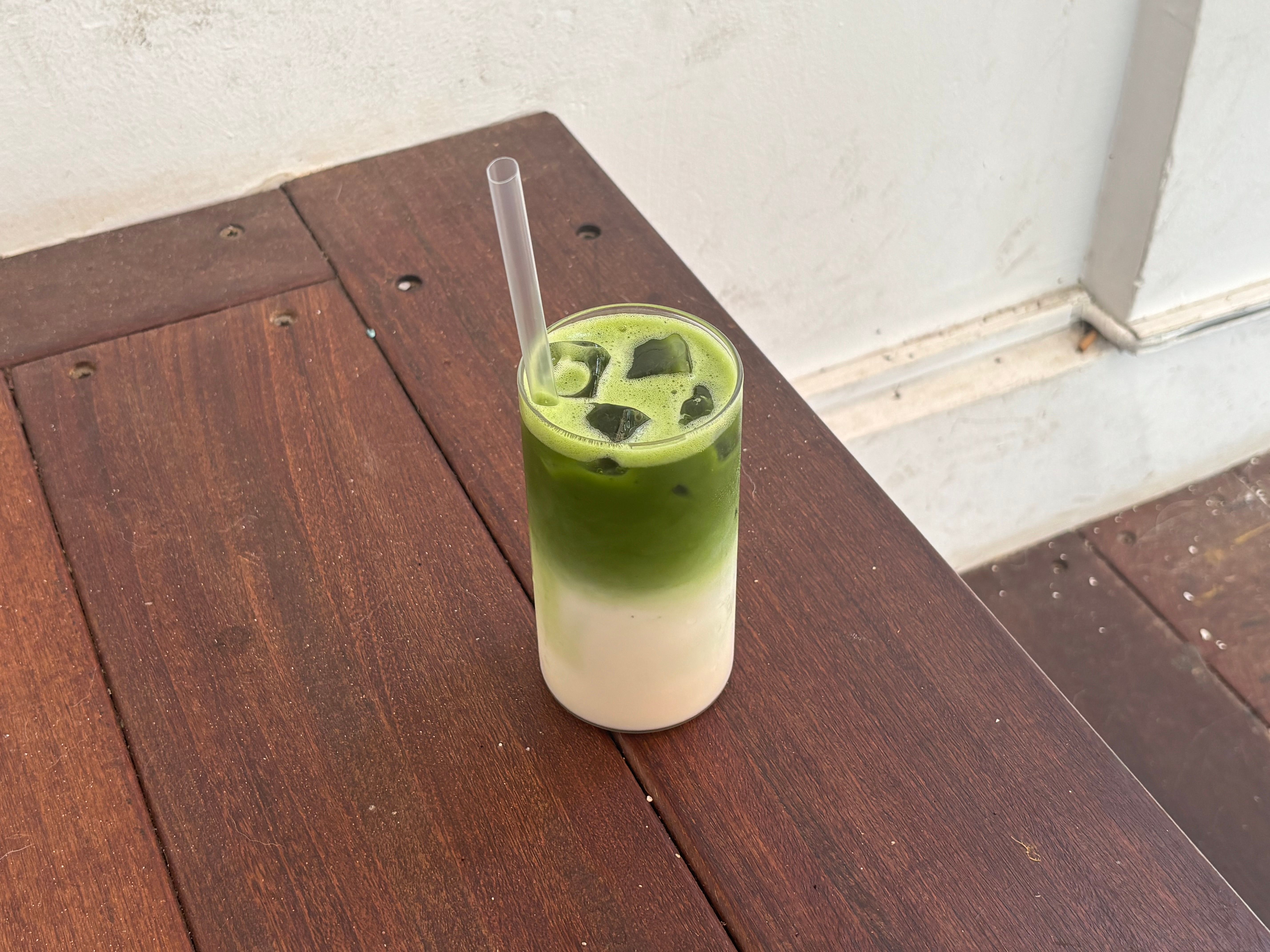
Matcha follows a fixed sequence. Sift the powder to break up clumps, add a small splash of room temperature water, and whisk into a smooth paste before adding the rest of your liquid. The three minutes that make the cup are more deliberate than they sound: flavor disperses evenly, texture becomes cohesive, and the foam is finer and more stable than when you skip the paste stage.
The Whisk Motion Matters
A W or M wrist motion during that final whisk is what builds the foam. Circular stirring just moves liquid around. The whole sequence takes under two minutes once you know it.
Price and Accessibility: What You're Actually Paying For
Coffee brewed at home costs well under a dollar a cup. A quality matcha serving, sourced from a known farm and stone-ground in small batches, runs noticeably higher. That gap has a straightforward explanation.
Why ceremonial-grade matcha costs more
- Shade-growing requires covering the plants for four or more weeks before harvest, which limits how much leaf a farm can produce in a given season.
- Hand-picking the first harvest matcha adds labor that machine harvesting skips entirely.
- Stone-grinding is slow by design: grinding too fast generates heat, which degrades the leaf. A single stone mill produces only about 30 to 40 grams per hour. Uji matcha from Kyoto's most storied tea region carries this standard as a baseline.
The result is a smaller yield, higher labor, and a longer production window than commodity coffee farming requires. Farm-direct sourcing adds cost too, though it removes the distributor markups that typically sit between a grower and a buyer. Specialty coffee closes some of that gap: a single-origin pour-over carries similar logic, meaning smaller farms, careful processing, and direct trade.
Which Drink Fits Which Lifestyle
If your morning depends on speed, coffee wins on convenience. If you find a three-minute whisking sequence appealing, matcha fits naturally into that space. Neither is the correct answer.
- Jitter-sensitive: matcha's L-theanine slows caffeine release, making it a gentler option for people who feel anxious or shaky after coffee.
- Stomach-sensitive: coffee's acidity is well-documented; matcha is lower in acidity, which some people find more comfortable.
- High caffeine needs: coffee's roughly 95 mg per cup has a clear edge if you're chasing a fast, strong lift.
- Afternoon use: matcha's lower caffeine and slower release make it a more practical later-day option for many people.
- Ritual-focused: if slowing down is part of why you make the drink, matcha's prep sequence is the point, not a drawback.
Plenty of people drink both. The choice usually comes down to what you want the drink to do, and when.
Can You Combine Matcha and Coffee?
Yes, and the combination has built a real following. Layered matcha-coffee lattes (sometimes called "dirty matcha") have become a fixture at specialty cafes, where baristas pour a shot of espresso through a whisked matcha base or float one over the other. The same base technique from our iced matcha latte ratios applies when building the matcha portion of the hybrid version. [FLAG: confirm with Miya - dirty matcha not verified on drinks page]
Flavor-wise, the pairing is less jarring than it sounds. Matcha's umami and cream notes sit well against espresso's roasted bitterness, especially when milk softens both. Balance is everything: too much coffee overpowers the matcha, and the green tea's nuance disappears.
A few things worth knowing before you try it:
- Caffeine stacks. Combining an espresso shot with a full matcha serving can put you well above 100 mg in a single drink, worth tracking if you are sensitive. Actual caffeine varies by preparation and source.
- Ratios matter. A standard serve of matcha (around 3-4g) paired with a single shot keeps caffeine reasonable while letting both flavors register. Use more powder for a stronger, creamier result.
- Follow the sift, paste, whisk sequence first. Skipping the paste stage and adding coffee directly gives a muddy, clumpy result.
The hybrid appeals to people who want the matcha ritual without fully giving up their coffee habit.
How Azure Matcha Approaches the Choice
We built Azure around the reality that most people come to matcha from coffee, and the transition is easier when the matcha is worth it.
The Azure Premium Blend is shade-grown for four weeks, hand-picked at first flush, and stone-ground in small batches in Uji, Japan. The cultivars are Okumidori and Saemidori, and the flavor reflects it: creamy, smooth froth, delicate floral notes, soft balanced finish. We source farm-direct from Uji, Kagoshima, and Shizuoka, with no distributors between us and the farmers. The Azure matcha brand and blend method covers the full sourcing story.
Whether you're leaving coffee behind or adding something different to your routine, the drink should hold up on its own terms. Ours does.
Final Thoughts on Matcha and Coffee as Daily Drinks
The more interesting thing about this comparison is how quickly it stops being a comparison. Once you know what each drink does, you stop asking which one wins and start asking which one fits the moment. That's a better question, and it's the one worth keeping.