Uji Matcha: Kyoto's Tea Region and Its Reputation (September 2026)
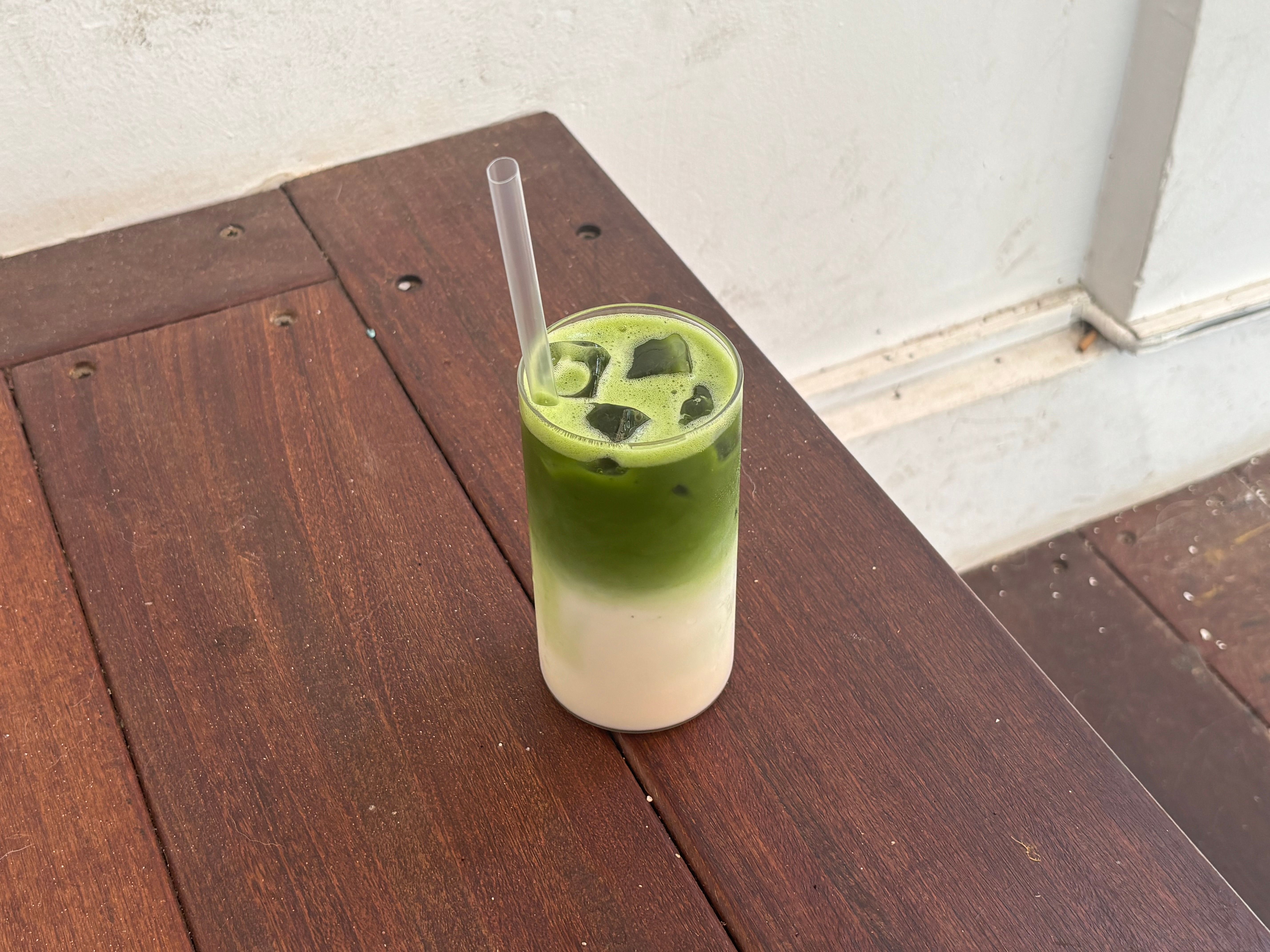
There's a reason uji matcha shows up on labels as a mark of quality and a place of origin. The Uji region sits in a natural river basin in Kyoto. The conditions there (cool air, morning fog, mountain shelter) produce a leaf measurably higher in L-theanine and lower in catechins than matcha from warmer, less-shaded regions. Here's what's actually behind that reputation.
TLDR:
- Uji matcha comes from a Kyoto river basin where morning fog and cool air build L-theanine and chlorophyll in the leaf.
- Three to four weeks of shading before harvest suppresses bitterness and raises umami depth before any processing begins.
- Stone-grinding at 30 to 40 RPM preserves aromatic compounds that high-speed milling degrades with heat.
- "Ceremonial grade" has no legal definition. Look for named cultivar, first flush, shade duration, and stone-ground on the label.
- Azure Matcha's Premium Blend is stone-ground, farm-direct Uji matcha, first-flush Okumidori and Saemidori, shade-grown for four weeks.
What Is Uji Matcha?
Uji matcha is matcha grown and processed in the Uji region, a small city in Kyoto Prefecture sitting between Kyoto and Nara. The name carries weight because the region itself is the birthplace of matcha in Japan, with tea cultivation dating back to the 13th century. By the 15th century, Uji's green tea was considered the finest in Japan, sought by shoguns and the imperial court alike.
Not all matcha is Uji matcha. When you see that designation on a label, it signals a specific origin with a traceable history running through the development of the Japanese tea ceremony itself.
The Geography Behind the Flavor
Uji sits in a natural basin where the Uji River runs between forested hills, and that geography does something specific to the growing conditions. Morning river fog drifts across the tea fields, softening direct sunlight before it reaches the leaves. Cool temperatures and the shelter of surrounding mountains slow the plant's growth cycle, pushing the leaf to accumulate more chlorophyll and L-theanine, the compound responsible for umami depth and the characteristic sweetness Uji matcha is known for.
800 Years of Tea Culture
Tea cultivation in Uji traces back to the early 13th century, when the region's soil and topography drew early growers and the craft expanded quickly. By the 15th century, Uji had grown into a tea producer on par with the famed Toganoo region in Kyoto, prized as a first-class gift among shoguns and the imperial court. The tea plantation "Oku no Yama," one of Uji's "Seven Famous Gardens" from the Muromachi period, still exists today. It was also in this era that the tea ceremony took shape, fusing ritual, aesthetics, and a philosophy of presence that still defines how the finest matcha is consumed. Browse Azure's journal for more on how that history connects to the brand's sourcing.
How Shading Changes the Leaf
Several weeks before harvest, Uji farmers cover their tea plants to cut off direct sunlight. The two main approaches are kabuse, a simpler overhead net system, and the more labor-intensive honzu method, where rice straw is layered directly over the canopy, a tradition since the 15th century.
Deprived of light, the plant accumulates chlorophyll instead of converting it, deepening the leaf's green color. Amino acid production rises, particularly L-theanine, while catechins responsible for bitterness in unshaded green teas are suppressed. The result is a leaf biochemically richer in umami and lower in astringency before a single step of processing has occurred.
From Leaf to Tencha: The Processing Sequence
After harvest, leaves are steamed quickly to halt oxidation. This keeps matcha green, preventing it from browning the way oolong or black tea does. The steamed leaves are then dried and processed into tencha, a flat, destemmed leaf form that serves as the direct precursor to matcha powder.
Tencha is what separates matcha from every other powdered green tea. Stems and veins are removed before grinding, which matters because both shape the final texture and flavor of the powder. Leaves ground with stems intact produce a coarser, more fibrous result. Tencha, stripped down to the softest leaf tissue, is what makes the silky finish of quality Uji matcha possible.
Why Stone-Grinding Produces a Different Powder
Tencha goes into the mill as a dry, flat leaf and comes out as a powder fine enough to suspend in water. The grinding method determines how much of the leaf's character survives that process.
Traditional granite millstones rotate slowly, around 30 to 40 rotations per minute. That low speed keeps friction minimal, which keeps heat out. Volatile aromatic compounds and amino acids like L-theanine are sensitive to temperature. Slow stone milling preserves them. High-speed industrial grinding generates enough heat to degrade both, showing up in the cup as flatter flavor and a duller green color.
One traditional stone mill produces roughly 30 to 40 grams of powder per hour. You cannot rush granite, and that output ceiling is a real part of why authentic stone-ground Uji matcha costs what it does.
Uji vs. Other Japanese Matcha Regions
Japan has several respected matcha-producing regions, and each brings something distinct to the cup.
- Uji (Kyoto) — Climate: Cool, misty river basin; Known For: Centuries of cultivar knowledge, traditional shading, ceremonial depth
- Kagoshima — Climate: Warm, subtropical; Known For: High production volume, approachable flavor, earlier harvests
- Shizuoka — Climate: Temperate coastal; Known For: Volume production, strong sencha heritage
- Nishio (Aichi) — Climate: Mild, humid; Known For: Dedicated ceremonial traditions, substantial domestic matcha output
Kagoshima's warmer climate accelerates growth, supporting larger yields but tending toward a lighter, less layered flavor. Shizuoka's strength has always been sencha, though its matcha output is substantial. Nishio holds genuine ceremonial credibility and supplies a large share of Japan's domestic market. Uji's edge comes from factors that are hard to replicate: river fog, mountain shelter, 800 years of cultivar knowledge, and shading techniques refined across generations. Different regions suit different preferences. Uji simply carries the longest lineage.
What Uji Matcha Tastes Like
Uji matcha has a flavor profile that surprises most first-timers. The bitterness people expect is largely absent, replaced by a deep savory sweetness that lingers and builds. Umami sits at the front of the cup, rounded out by a creamy texture that comes from the fine particle size and amino acid density built up during shading.
Cultivar plays a real role in that profile. Okumidori tends toward a richer, rounder sweetness. Saemidori reads brighter and more vegetal. Uji Hikari carries a pronounced umami weight, well suited to ceremonial preparation.
Preparation method also changes what you taste. In traditional usucha (thin tea whisked with water only), umami and sweetness come through clearly. In milk-forward drinks, the savory notes soften and creaminess becomes the dominant impression, as in the Azure Classic.
How to Read an Uji Matcha Label
Labels on matcha tins can be genuinely confusing, so here is what actually tells you something useful.
- Region: Look for Uji, Kyoto explicitly. "Japanese matcha" or "Kyoto-style" are not the same thing.
- Cultivar: Named cultivars like Okumidori, Saemidori, or Samidori indicate the producer knows exactly what they grew. An unlisted cultivar is a gap worth noting.
- Harvest flush: First flush produces the most tender, amino-acid-rich leaves. Later harvests yield coarser flavor.
- Shade duration: Meaningful shading runs three to four weeks minimum. Shorter windows produce less umami development.
- Processing method: Stone-ground is the indicator you want. Anything listed as "milled" without specifying stone is ambiguous.
One thing to set aside: "ceremonial grade" carries no legal definition in Japan or internationally. Any producer can print it. Treat it as decoration, and look past it to the specifics above.
How to Prepare Uji Matcha
Start with a sifter. Dense matcha clumps resist whisking no matter how long you go, so pushing the powder through a fine mesh first saves you from a lumpy cup. The three minutes of whisking technique matter more than most people expect.
From there, the sequence is paste, then whisk. Add a small splash of cool or room-temperature water and work the matcha into a smooth paste before adding the rest of your liquid. This stage matters most with first-harvest Uji leaves: heat pulls bitterness from delicate leaf tissue faster than you'd expect, so skip the near-boiling water.
For a traditional bowl, 3 to 4 grams whisked with around 60 to 80ml of cool water gives you a thick, umami-forward cup. For a milk-forward drink, pull back to 2 to 3 grams and build the paste with water first, then pour over cold milk or ice. More preparation ideas are in the Azure matcha recipes.
Azure Matcha's Uji Connection
Our Azure Premium Blend is stone-ground in Uji, Japan, in small batches, sourced farm-direct from heritage producers we work with directly. No distributors, no middlemen. The cultivars are Okumidori and Saemidori, first-flush, shade-grown for four weeks, and the flavor reflects exactly what those conditions produce: pistachio, almond, mellow umami, and sweet cream caramel. We also source from Kagoshima and Shizuoka, but the Uji connection sits at the center of the blend. Available as a 30g tin or 80g refill.
Final Thoughts on the Story Behind Uji Matcha
Once you understand what goes into a quality bowl, the details on a label stop feeling like noise. Region, cultivar, shading method, and how the leaf was milled tell you more than any grade name ever will. Your next cup of uji matcha can be chosen with eyes wide open.
FAQ
What should you look for when buying uji matcha from Japan?
Skip "ceremonial grade," which has no legal definition. For the full breakdown of what actually matters on a label, see the How to Read an Uji Matcha Label section above.
What is stone-ground matcha and why does it produce better flavor than other methods?
Stone-ground matcha is tencha leaf milled between slow-rotating granite millstones at around 30 to 40 rotations per minute, generating almost no heat in the process. That low friction preserves the volatile aromatics and amino acids like L-theanine that give quality uji matcha its umami sweetness and vivid green color. High-speed industrial grinding runs hot enough to degrade both, which shows up as flatter flavor and a duller cup.
Uji matcha vs. Kagoshima or Nishio: which region should you buy from?
It depends on what you want from the cup. Uji brings 800 years of cultivar knowledge, traditional honzu shading, and a river-basin microclimate that produces layered umami and low astringency. Kagoshima suits people who prefer a lighter, more approachable flavor and benefits from warmer growing conditions that support higher yields. Nishio holds genuine ceremonial credibility and supplies a large share of Japan's domestic market. Azure Matcha sources from all three regions, with our Okumidori and Saemidori Premium Blend stone-ground in Uji at the center.
What does uji matcha taste like compared to regular green tea?
Uji matcha tastes nothing like standard green tea. Where brewed green tea reads grassy or astringent, quality uji matcha leads with deep savory sweetness, a creamy texture from the fine stone-ground particle size, and umami that lingers and builds. Regular green tea powder (made from unshaded, unstemmed leaves) skips the shading and tencha stages that build that amino acid density, which is why the two taste so different even when both are technically "green tea."
How do you prepare uji matcha at home without getting a bitter or lumpy cup?
See the preparation section above for the full sift-paste-whisk method.