
Standing in front of the matcha shelf, you're choosing between labels that tell you very little. For matcha tea in the morning, price, color, and a ceremonial-grade label won't tell you how a powder will taste or suit your routine. Start with growing and harvest details, choose for a plain bowl or latte, then adjust your preparation and portion to your taste and caffeine tolerance.
TLDR:
- Matcha: 3 to 6 g Azure Premium Blend per cup (about 4 g working serve).
- Liquid: room-temperature filtered water; add milk of choice for a latte [FLAG: confirm water and milk quantities with Miya, not verified on drinks page].
- Add-ins: optional Azure essence or compote, whisked into the paste.
- Prep time: about 2 minutes, including a 30-second chasen soak.
What to Expect From Matcha Tea in the Morning
Matcha tea in the morning brings caffeinated alertness and a savory green-tea flavor to your cup. With matcha, you drink the powdered leaf along with the water. With steeped tea, the leaves are removed. Whisking offers a deliberate pause before the day gets busy.
Matcha contains L-theanine, an amino acid, and naturally occurring antioxidants. Their presence does not guarantee lasting focus or a particular health outcome. Your response to caffeine can vary.
Give the preparation a little time, and keep room for breakfast.
Matcha cannot make up for lost sleep.
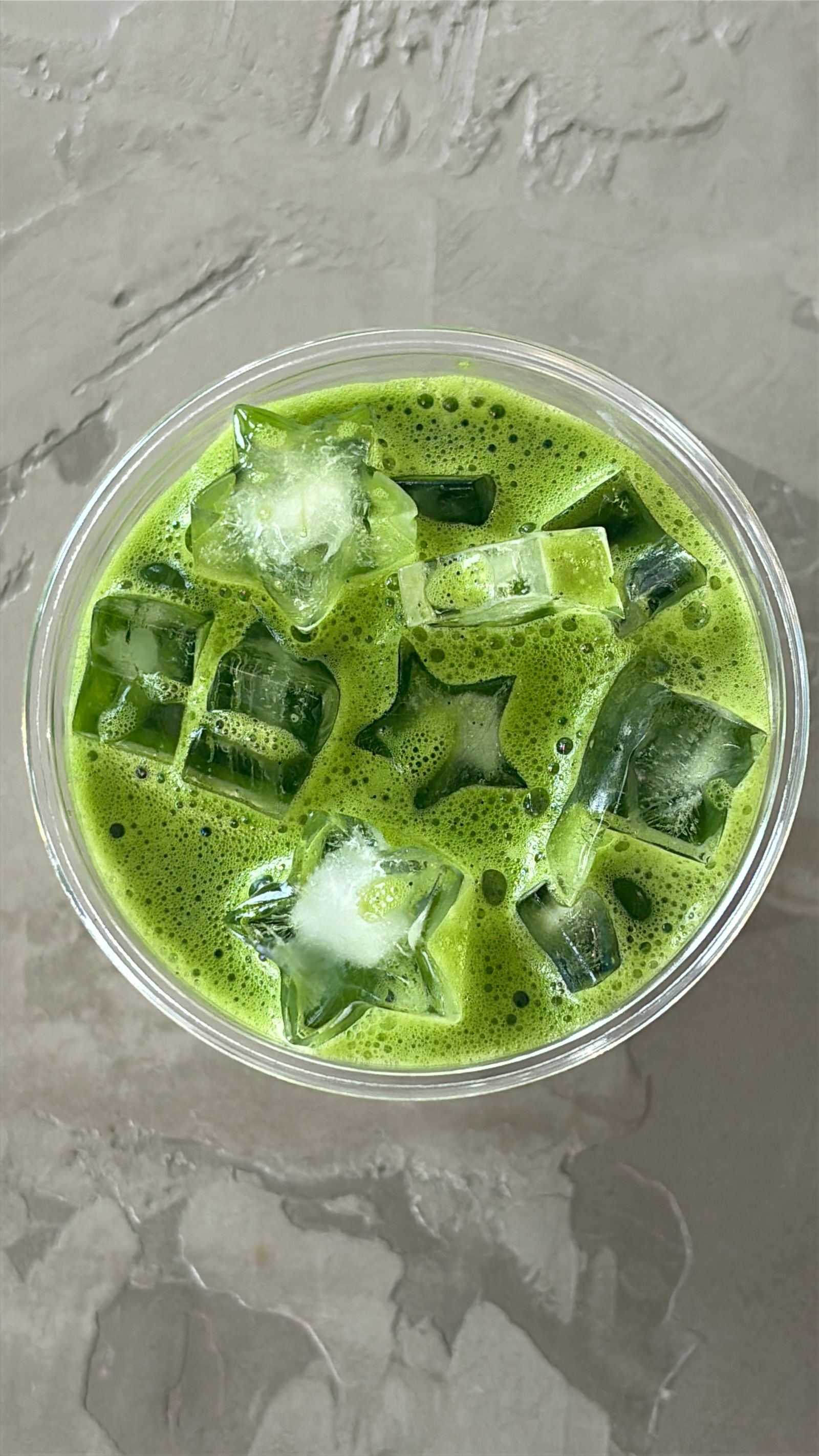
Matcha Versus Coffee for Your Morning Cup
- Flavor. Matcha: Savory, sometimes creamy; Coffee: Roasted, sometimes fruity
- Preparation. Matcha: Sift, make a paste, cold whisk; Coffee: Brew grounds
- Caffeine variability. Matcha: Powder weight and batch matter; Coffee: Brewing method and portion matter
For matcha tea in the morning, portion matters. A published matcha composition review reports approximately 18.9 to 44.4 mg of caffeine per gram. At 3 to 6 g per cup, that range spans roughly 57 to 266 mg, so a strong serving can overlap with a cup of coffee. These are working estimates on matcha caffeine content; Azure-specific figures require batch lab confirmation.
Neither drink is universally healthier. Choose based on flavor and caffeine tolerance.
Morning Timing and Drinking Matcha on an Empty Stomach
Matcha tea in the morning can work before, with, or after breakfast. Let stomach comfort guide your timing, without a fixed wait after waking. If drinking matcha without food causes nausea or discomfort, try it with or after breakfast.
Plan caffeine around your bedtime, too. If you work nights and sleep during the day, this shade-grown green tea may interfere with your upcoming rest.
Daily Intake and Caffeine Sensitivity
When drinking matcha tea in the morning, count caffeine from all daily sources, including coffee and energy drinks. Your total intake and response matter more than cup count. Mayo Clinic's daily caffeine safety guidance says up to 400 mg daily seems safe for most adults. This is general guidance, not a target or guarantee.
Cut back if you notice jitteriness, stomach upset, or disrupted sleep. Ask a clinician for personal guidance if you're pregnant or breastfeeding, take medications that may interact with caffeine, or have marked caffeine sensitivity. A caffeine-free morning drink is a valid choice, too, and comparing matcha vs green tea can help you weigh the tradeoffs.
Choosing Matcha for a Morning Bowl or Latte
Choose matcha tea in the morning by how you drink it. For a plain bowl, pick a flavor you enjoy on its own. For a latte, consider tasting notes that pair with your usual milk, which changes intensity and texture.
Before buying, check the label or product page for:
- An identifiable growing region and named cultivar.
- Harvest details, including season or flush.
- Processing details, such as how leaves were ground.
- Packaging dates and storage guidance.
As our ceremonial matcha guide explains, “ceremonial grade” has no legal definition and proves neither quality nor health benefits. Use the same checks for culinary grade.
Preparing a Smooth Morning Matcha
Settle in and give matcha tea in the morning a little attention. Measure 3 to 6 g of Azure matcha per cup, with about 4 g as the working serve. More powder gives a stronger flavor and a creamier result, so adjust to your taste. Before you start, soak the tips of your bamboo whisk (chasen) in room-temperature water for 30 seconds. This softens the tines, guards against splitting, and helps build tighter, more consistent foam. Use our cold-whisking method to check texture before diluting.
Sift: sift the matcha into a wide bowl with a fine-mesh sifter. No dense pockets should remain.
Paste: add a small splash of room-temperature filtered water, just enough to dampen the powder. Whisk fast into a smooth, glossy paste, like thin ganache. If you're adding flavor, whisk your Azure essence or compote into the paste now so it disperses evenly.
Whisk: slowly add the rest of the room-temperature filtered water (never hot or heated). Whisk in a tight W or M motion from the wrist until a fine, dense, slightly matte foam forms.
For a plain bowl, add room-temperature water to taste; for a latte, leave room for milk of choice. [FLAG: confirm latte milk and water quantities with Miya - not verified on drinks page]
Making Matcha Part of Breakfast
Keep your usual breakfast when you add matcha tea in the morning: oatmeal, toast with eggs, yogurt, or whatever you already reach for works alongside it. A matcha latte, even one finished with an Azure essence or compote, is a drink, not a full breakfast, so plan something to eat with it.
Building a Repeatable Morning Ritual
Make matcha tea in the morning a repeatable ritual. Keep your bowl, sifter, and whisk together within easy reach, so your hands know where to go before your mind is fully awake. Clear a patch of counter the night before, a small quiet stage for the morning to come. Choose a moment with enough time to whisk slowly: the soft scrape of bamboo against ceramic, bright green foam rising in the bowl, a pause before the day asks anything of you. If that means waiting until after you get dressed, wait.
After measuring your powder, reseal the matcha and store it away from heat, light, and moisture, including steaming kettles and sunny windows.
After use, rinse matcha from between the whisk’s tines. Leave the whisk where air can circulate until it is fully dry before putting it away.
Bringing the Morning Ritual Home With Azure Matcha
Azure Premium Blend brings matcha tea in the morning into focus: first-flush Okumidori and Saemidori grown in Wazuka, shaded for four weeks, then stone-ground in small batches in Uji. Expect pistachio and almond notes, mellow umami, and sweet cream caramel.
Use 3 to 6 g per cup, with approximately 4 g as the working serve. More powder gives a stronger, creamier result and more caffeine. Adjust for taste and tolerance.
Shop the Azure Premium Blend. Ordering for Azure Matcha opens November 16, 2026.
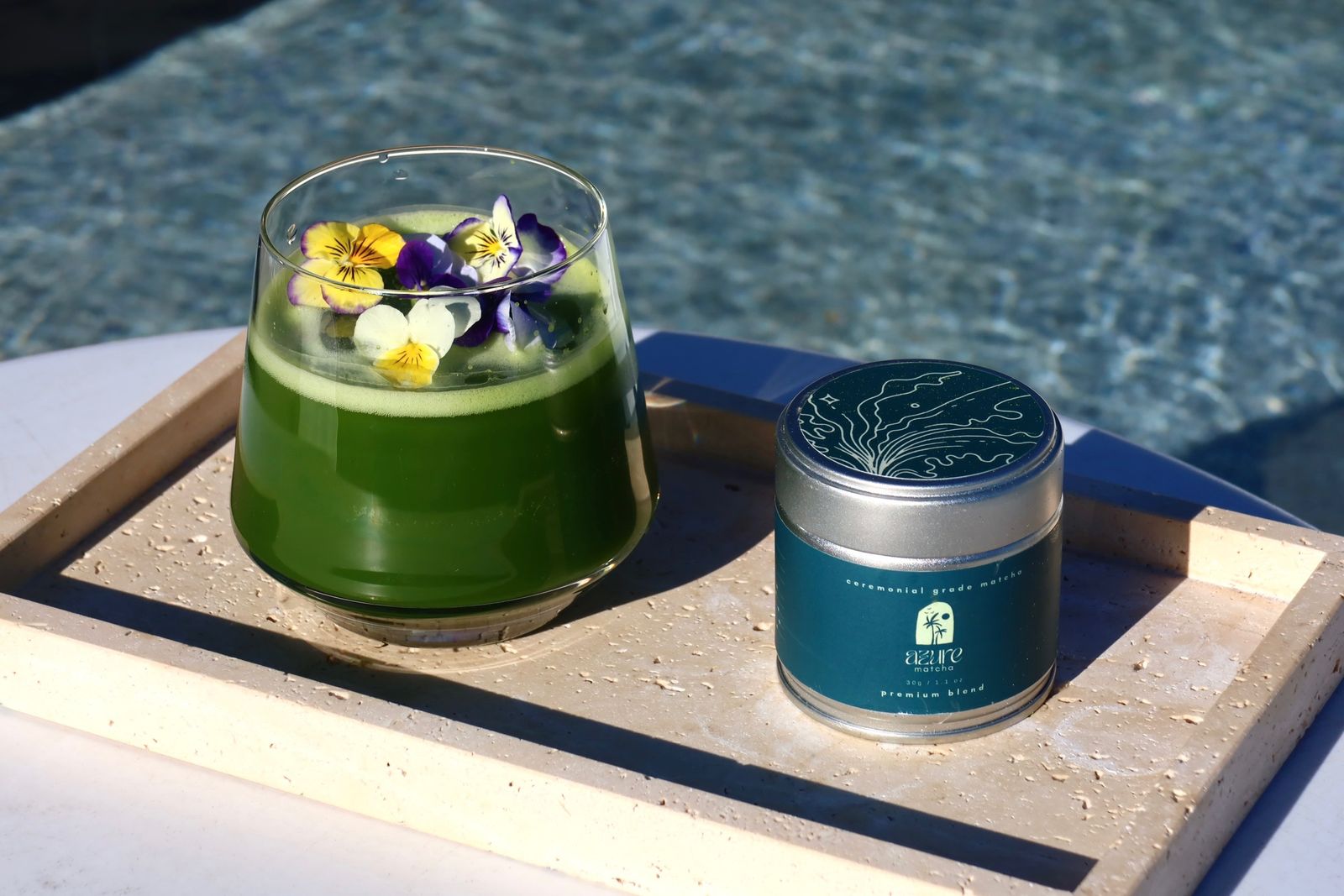
Final Thoughts on Finding Your Morning Matcha Routine
Treat your first few bowls as a trial. Notice how each one sits with your stomach and your day, then change the portion, the timing, or the water until the cup suits your morning.
FAQ
No. Adding milk makes the flavor milder, but it does not reduce the caffeine from the matcha powder. To lower caffeine, use less powder or drink a smaller portion.
Choose the 30g tin if you are trying the blend; choose the 80g refill if you already know you enjoy it daily. At 4g per cup, the tin provides 7 full cups (30g ÷ 4g, rounded down) and the refill provides 20 (80g ÷ 4g = 20), so you can plan around your routine.
Matcha is powdered leaf suspended in liquid, so some settling is normal and does not mean you prepared it poorly. Give your cup a gentle stir if it has been sitting; visible dry clumps, unlike sediment, call for more care during the sift-and-paste steps.