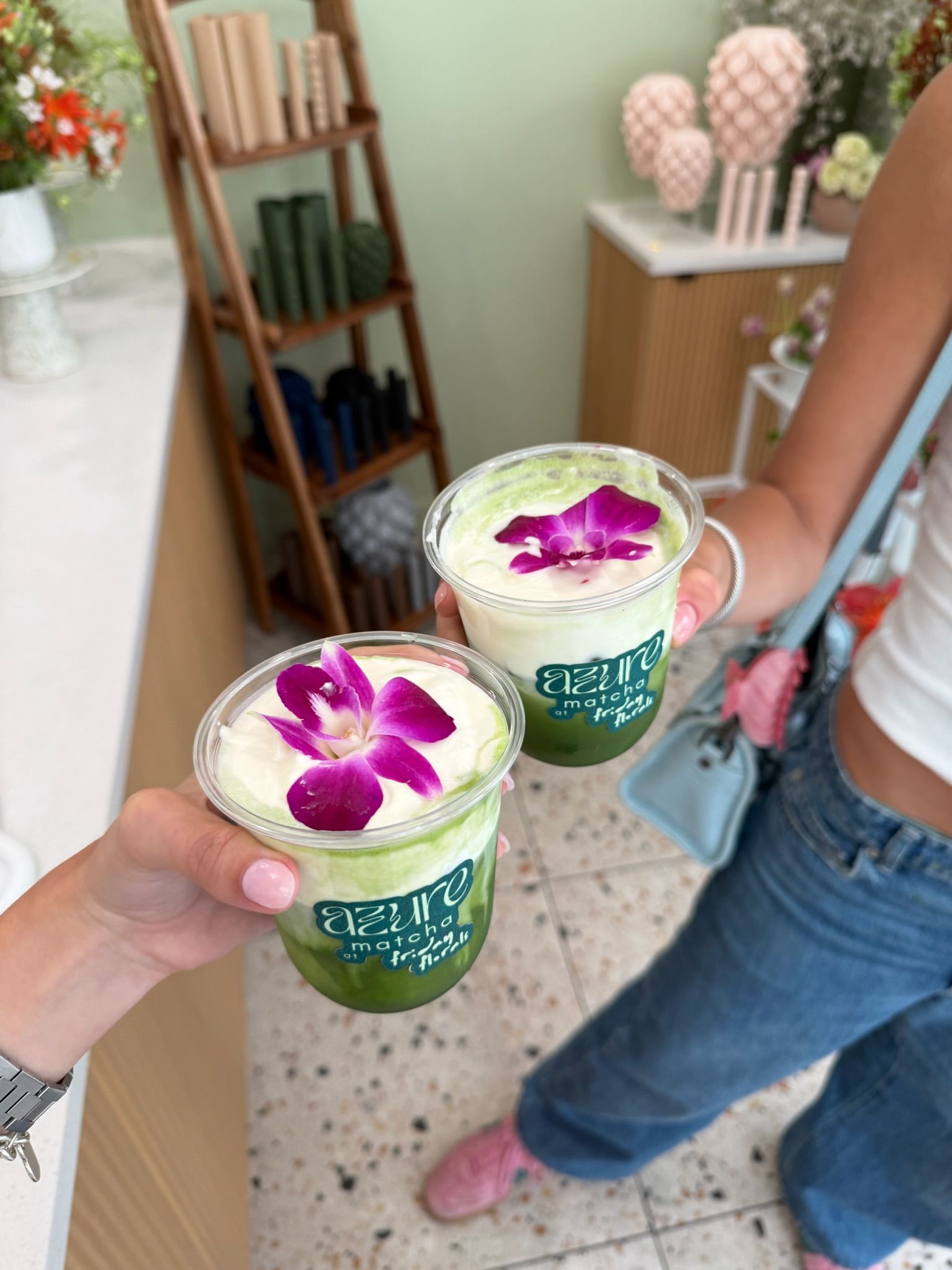
A bowl of matcha is a small ritual worth slowing down for. Here is how to make matcha with a measured dose, a room temperature paste, and a short whisk, so every cup comes out smooth, vivid, and softly foamed.
TLDR:
- Matcha: 3-6g of Azure matcha per cup, about 4g to start. More powder is stronger and creamier.
- Liquid: room temperature filtered water.
- Add-ins: optional Azure essence or compote, whisked in at the paste stage.
- Prep time: about 2 minutes, including the 30-second whisk soak.
What Matcha Is and How It Is Served
Learning how to make matcha starts with the leaf. Matcha is finely ground tea whisked into water, so you drink the powdered leaf suspended in your cup. Loose-leaf tea is steeped, then the leaves are removed.
Traditional preparation includes usucha and koicha, a thin tea and a thick tea. This guide follows Azure’s beginner-friendly cold-whisking method with room temperature water. Serve it plain or make it into a latte.
Choosing Matcha for Your Cup
Color alone tells you little about matcha quality. "Ceremonial grade" has no legal definition, so look for specifics: growing region, cultivar, first-flush harvest, stone grinding, and packing dates.
For matcha served with water, choose tasting notes you want to enjoy on their own. For milk drinks, look for a fuller flavor that stays noticeable once mixed, a difference that often comes down to matcha grades.
The Ingredients and Tools You Need
Gather these basics before learning how to make matcha:
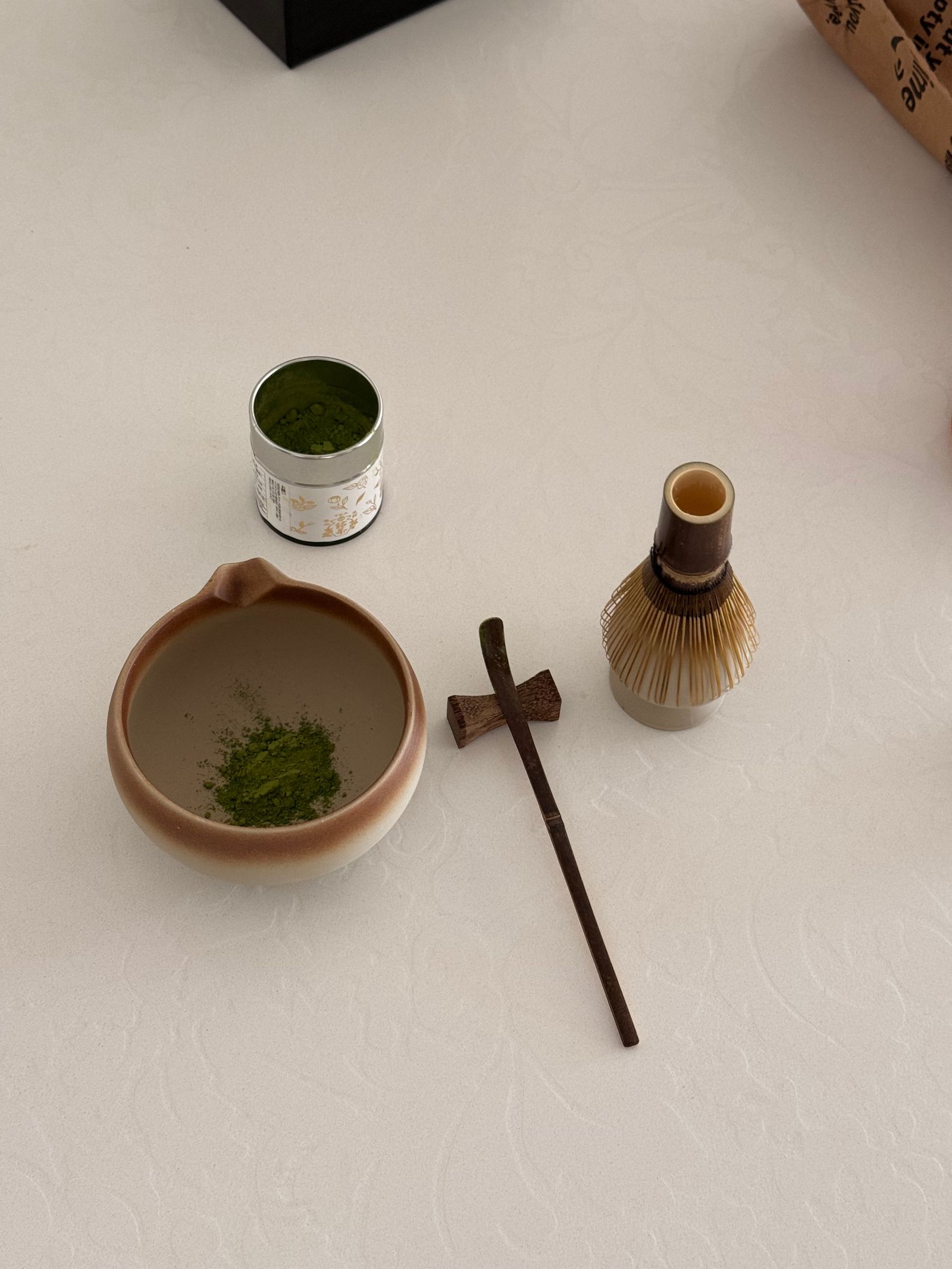
- Azure matcha powder supplies flavor and body.
- Room temperature filtered water provides a neutral mixing base.
- A fine-mesh sifter breaks up clumps.
- A wide bowl gives your whisk room.
- A bamboo whisk, or chasen, smooths the paste and builds foam.
- A scale keeps doses consistent.
A dedicated tea bowl and bamboo scoop are optional. Use a roomy bowl and a spoon you own. An electric frother will not handle the paste stage the same way a chasen does.
Measuring Matcha and Adjusting Strength
A heaped spoon holds a different amount each time. When learning how to make matcha, weigh the powder in grams to repeat a cup you like.
Use 3 to 6g of Azure matcha per cup, starting with approximately 4g. More powder makes a stronger, creamier cup. Dose is the powder amount; dilution is the water or milk you add. Change one at a time to taste the difference, and remember that much of that flavor traces back to first flush harvest timing.
How to Make Matcha With the Sift, Paste, Whisk Method
Soften the whisk tips in room temperature water for 30 seconds.
Sift your measured dose of Azure matcha into your bowl, about 4g to start.
Add a small splash of room temperature water, just enough to dampen. Whisk with tight, quick strokes into a smooth, glossy paste, like a thin ganache. Whisk in any Azure essence or compote here, then check for dry pockets.
Add the remaining room temperature filtered water slowly.
Aim for dense, fine foam with a slightly matte finish. Large, scattered bubbles signal coarser froth, a detail covered closely in the three minutes that make the cup.
Serving Matcha Plain or With Milk
Choose how to serve your matcha based on the texture and tea intensity you prefer.
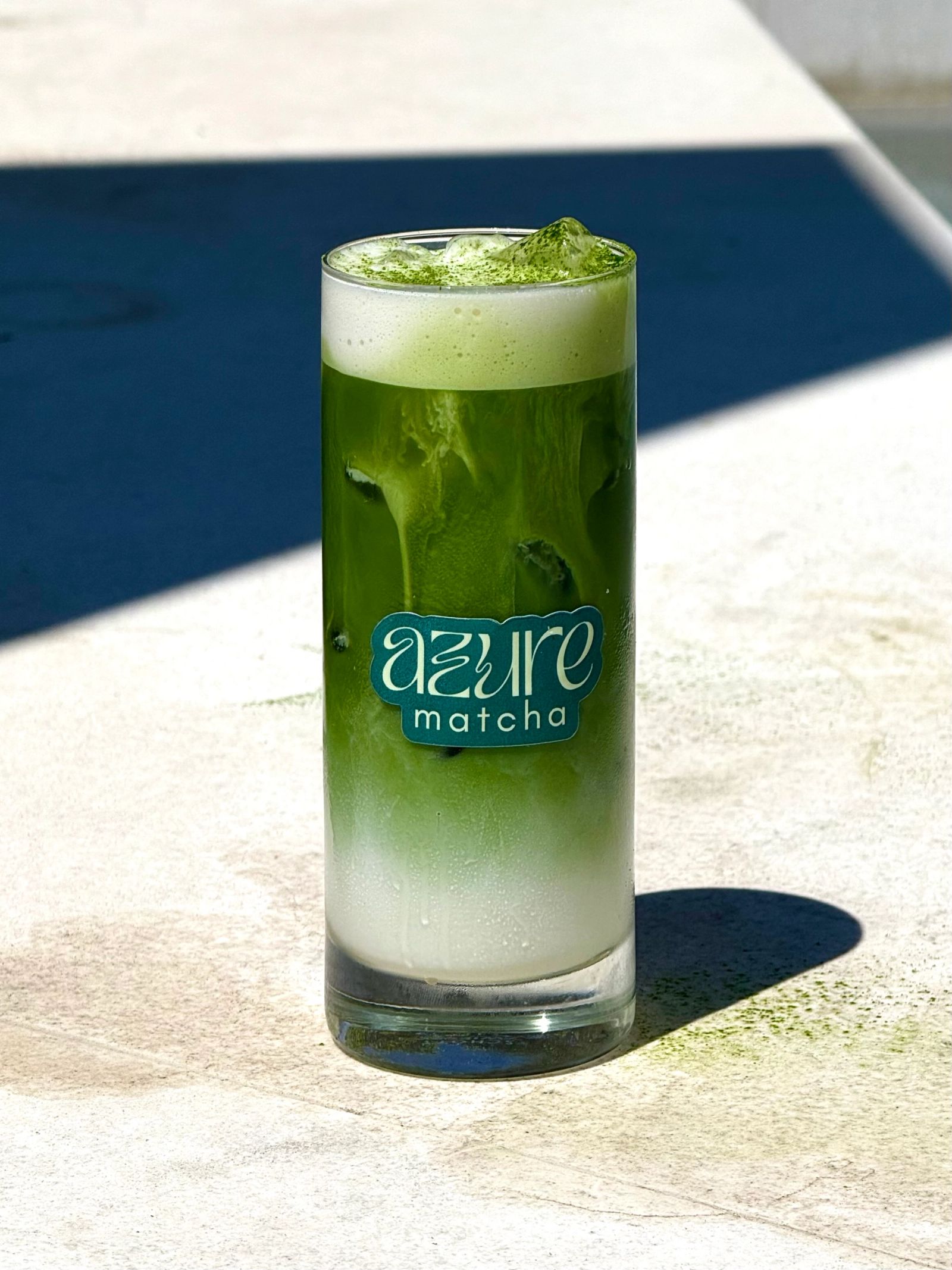
- Plain, with water. What to expect: The tea’s own flavor stays clear.
- Latte, with milk. What to expect: Milk adds body and softens the tea’s perceived intensity.
Pour the whisked matcha over milk for a latte, or follow our iced matcha latte guide for cold assembly.
Flavoring is optional. Use only Azure in-house essences or compotes, whisked in at the paste stage. For a flavored drink, follow a published Azure recipe.
Fixing Clumps, Bitterness, and Weak Flavor
Use the symptom to choose your adjustment. Change one variable per cup.
- Clumps. Likely cause: Dry pockets; Adjustment: Smooth the paste before diluting.
- Grit. Likely cause: Incomplete mixing or coarse powder; Adjustment: Mix more; try finer powder if grit persists.
- Bitterness. Likely cause: Concentration or flavor mismatch; Adjustment: Lower the dose within 3-6g per cup, or try sweeter-tasting matcha.
- Weak flavor. Likely cause: Dilution or stale powder; Adjustment: Reduce liquid; check freshness.
- Coarse foam. Likely cause: Uneven whisking; Adjustment: Keep strokes small and steady.
Some settling is normal. Foam quantity and bitterness alone cannot prove matcha quality, whether you are drinking it plain or trying a matcha latte recipe at home.
Storing Matcha and Caring for Your Whisk
Keep matcha tightly sealed, away from moisture, light, heat, and strong odors, in line with matcha storage guidance from Marukyu Koyamaen. If refrigerated, let the sealed container reach room temperature before opening to prevent condensation on the powder. Follow the producer’s storage guidance; shelf life varies by product, which is one reason it pays to start with our top-rated matcha powders guide.
After use, gently rinse your bamboo whisk with clean water, clearing powder from between the tines. Let it air-dry fully before storing. Never enclose a damp whisk.
Practicing the Method With Azure Matcha
Our Azure Premium Blend pairs Okumidori and Saemidori cultivars, shade-grown for four weeks, hand-picked in the first flush, and stone-ground in small batches in Uji. As you practice, look for pistachio and almond, mellow umami, and sweet cream caramel, notes explained further in Azure's blend and method overview. Compare these tasting notes in a plain cup and in milk.
Read more on our matcha blend page. For guided practice, ask us about masterclasses and upcoming dates to work on your preparation with support.
Final Thoughts on Making Matcha Your Way
Your first bowl sets the baseline. Keep the dose and water steady, change one thing at a time, and the cup you keep returning to will show you what to look for in your next tin.
FAQ
Choose a bamboo whisk first if you have neither, since it handles the paste stage and builds fine foam. A scale is your next purchase for repeatable doses.
Start with separate bowls while you learn, so you can check each paste for dry pockets and give the whisk enough room. Keep both doses equal if you want to compare serving styles.