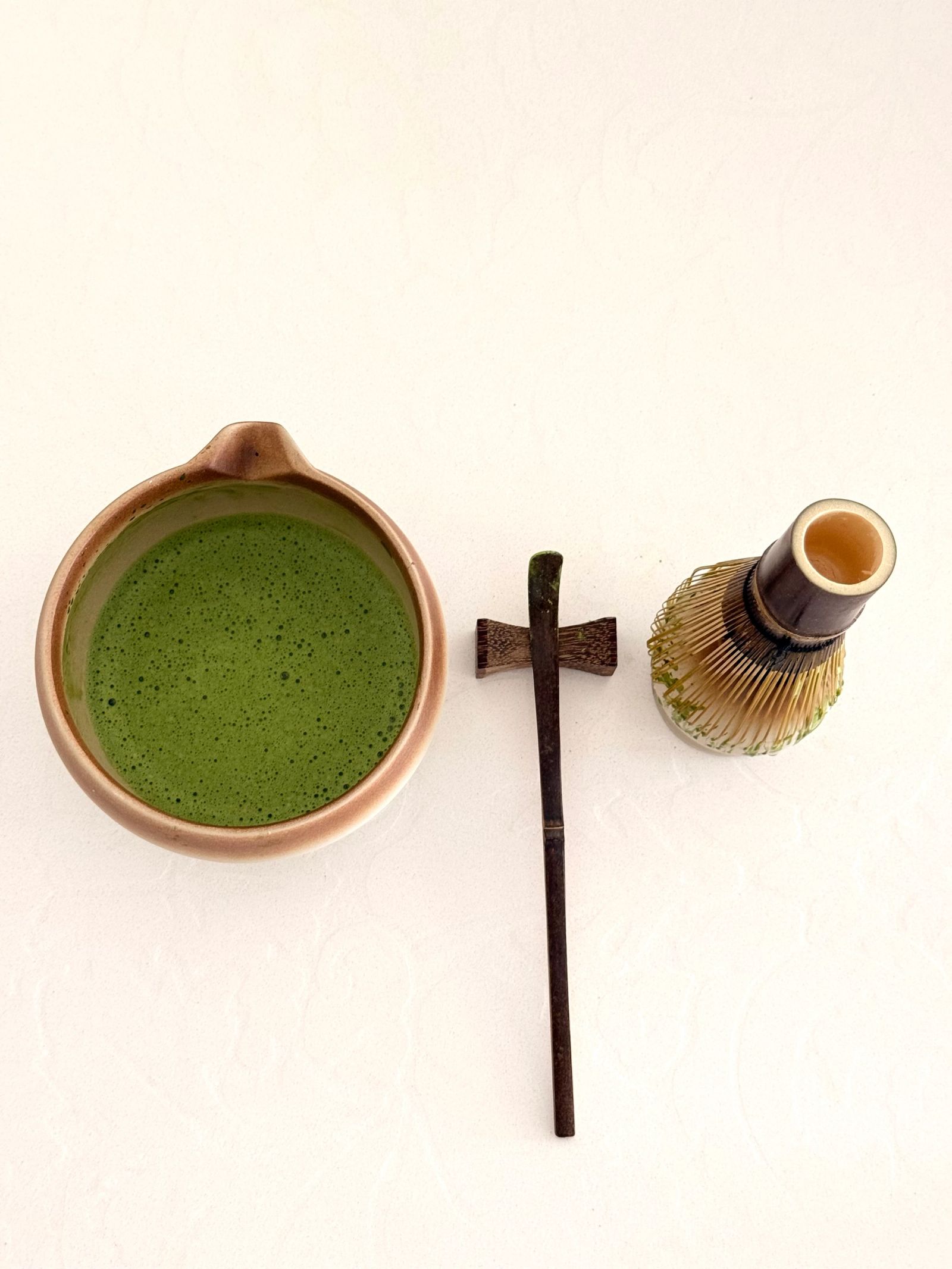
Getting clumps in your matcha or bitterness in your brewed tea can make either choice feel disappointing. But the fixes aren’t the same: matcha needs sifting and a smooth paste, while oversteeped leaves need a shorter infusion next time. That’s a useful starting point for matcha vs green tea. Let’s sort out how each cup works, then weigh taste, caffeine, and cost against your routine.
TLDR:
- With matcha, you consume leaf powder. Brewed green tea is an infusion with leaves removed.
- Choose matcha for a fuller drink or latte; brewed green tea for a lighter cup.
- Matcha often has more caffeine. Adjust your serving to your caffeine tolerance.
- Compare cost per cup using your dose; repeat infusions can stretch loose-leaf tea's value.
- Azure Matcha's blend uses Okumidori and Saemidori, shaded for four weeks and stone-ground in Uji.
Matcha vs Green Tea: The Core Difference
The matcha vs green tea comparison starts with a shared origin: both come from Camellia sinensis, the tea plant. Matcha is a type of green tea. Here, we’re comparing matcha powder with green tea brewed from leaves.
Preparation makes the difference. Matcha’s finely ground leaf is suspended in water. Brewing green tea extracts compounds from leaves that you then remove.
With matcha, you consume the leaf powder along with the liquid. With brewed green tea, you drink the infusion.
How Growing and Processing Shape Each Tea
In the matcha vs green tea comparison, growing and processing matter. Matcha leaves are shaded before harvest, steamed, and dried into tencha. Stems and veins are removed before grinding into fine powder. Some other green teas are shade-grown too.
For brewed green teas, producers typically steam or pan-fire leaves to limit oxidation, then roll or shape and dry them. Ordinary powdered green tea may use leaves processed differently from tencha, unlike the distinctions covered in ceremonial and culinary matcha grades. Instant tea extracts are brewed tea solids dried into soluble form. Neither is interchangeable with matcha.
Flavor, Color, and Texture Compared
The sensory difference in matcha vs green tea comes down to flavor, color, and body. Matcha suits those who enjoy a drink with more weight on the tongue.
- Flavor. Matcha: Concentrated vegetal flavor, savory umami; Brewed green tea: Grassy sencha to nutty pan-fired styles
- Appearance. Matcha: Opaque green; Brewed green tea: Clearer liquor, often yellow-green
- Texture. Matcha: Fuller, with fine suspended particles; Brewed green tea: Often lighter-bodied
Bitterness varies in both. Cultivar, freshness, and preparation influence how soft or sharp your cup tastes.
Whisking Matcha vs Steeping Green Tea
Preparing matcha vs green tea calls for different tools. For matcha, use a sifter, wide bowl, and bamboo whisk. Our cold-whisking method uses room temperature water: sift, make a smooth paste, then add water and whisk, the same technique behind our matcha latte recipe.
Green tea needs a cup or pot and an infuser or strainer. Remove leaves after steeping; cold brewing is another option.
The fixes differ:
- For matcha clumps, focus on sifting and making the paste. Whisk again if powder settles.
- For bitterness from oversteeping green tea, shorten the next infusion.
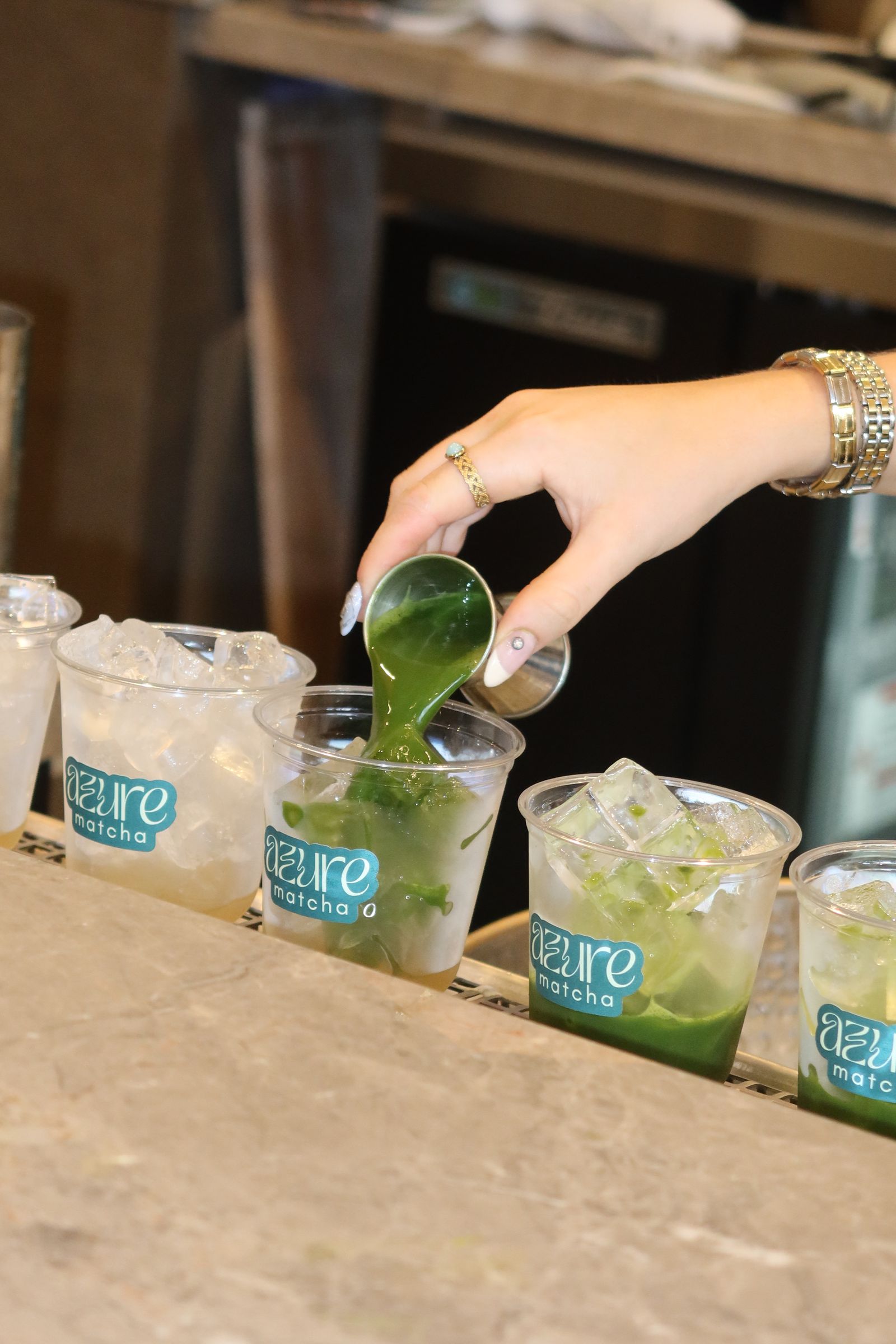
Caffeine and L-Theanine Compared
In a matcha vs green tea comparison, matcha often provides more caffeine because you consume the powder. Dose, leaf type, and brewing conditions affect each cup.
A review of matcha research reports varying caffeine levels, a topic discussed further in our breakdown of matcha caffeine content. This is not Azure-specific data; our caffeine figures require lab confirmation before publishing.
Both teas contain L-theanine, an amino acid. It does not guarantee slower caffeine absorption or a jitter-free, crash-free experience. Your response depends on serving size and caffeine sensitivity.
Antioxidants, Nutrition, and Health Claims
Both matcha and green tea contain catechins, including EGCG. Matcha’s powdered leaf differs from brewed tea’s infusion, but a higher compound concentration does not prove greater health benefits. Antioxidant multipliers alone cannot tell you which tea is healthier.
For a practical matcha vs green tea comparison, consider the finished drink. Milk changes calorie and nutrient content, while sweetened flavorings can add sugar. Check the full ingredient list and serving size to compare what you actually drink.
Caffeine Sensitivity and Daily Intake
When comparing matcha vs green tea, count caffeine from coffee and other drinks, too, a question we unpack in our matcha vs coffee guide. Watch for sleep disruption, jitteriness, or stomach discomfort. If these occur, try a smaller serving or an earlier cup.
According to Mayo Clinic’s caffeine guidance, up to 400 mg daily appears safe for most adults. This is general guidance, not a target or a guarantee.
If you are pregnant, breastfeeding, taking medications, or sensitive to caffeine, discuss appropriate limits with a healthcare professional.
Quality Labels, Freshness, and Storage
“Ceremonial grade” has no legal definition. Treat ceremonial and culinary labels as starting points, then check the details:
- Look for a named origin or growing region.
- Check the cultivar, when disclosed, and harvest information.
- Read how the tea was processed.
- Choose tightly sealed packaging that blocks light.
Color alone cannot confirm quality. Store both matcha and green tea away from heat and moisture. Use a dry scoop and follow the seller’s storage instructions. Shelf life varies by product and storage conditions.
Cost Per Serving and Everyday Value
For matcha vs green tea, compare cost per cup using package weight and your actual dose.
Cost per serving = package price ÷ package weight in grams × grams per serving.
For tea bags, divide the box price by the bag count, then multiply by bags used per cup. Suitable loose leaves allow repeat infusions, spreading the cost across more cups.
Count equipment, such as a whisk or infuser, separately. Neither tea is always cheaper; serving size and repeat infusions shape everyday value.
Choosing Between Matcha and Brewed Green Tea
The matcha vs green tea choice starts with the cup you want:
- Choose matcha for a fuller whisked drink or a latte base.
- Choose brewed green tea for a lighter infusion or leaves you can steep again.
Consider your routine: time at the whisking bowl or a simple steep-and-strain process. Compare cost per serving and keep your caffeine tolerance in mind.
Both can have a place on your shelf: matcha for a weekend latte (see our iced matcha latte guide), loose-leaf green tea for an afternoon pot.
Trying the Matcha Side With Azure Matcha
For a concrete matcha vs green tea buying comparison, our Azure Premium Blend pairs Okumidori and Saemidori cultivars with four weeks of shading and a hand-picked first flush. It is stone-ground in small batches in Uji, Japan.
Pistachio and almond notes meet mellow umami and sweet cream caramel. This flavor profile belongs to this blend; other matcha can taste quite different.
Visit the Azure Matcha product page for early sign-up.
Check current availability on the product page.
Final Thoughts on Finding Your Favorite Cup
Matcha and brewed green tea share a plant, but offer different cups. You can compare flavor, caffeine, and cost without crowning a winner. Let your next brew reflect what you enjoy.
A simple way to decide: try both for a week. Whisk matcha some mornings, steep a pot of sencha other afternoons. Note how each affects your energy, mood, and sleep. Keep a loose-leaf tea for repeat infusions on slow weekends, and keep matcha on hand for a quick latte before a busy day.
FAQ
No. Adding milk dilutes the drink but does not remove caffeine from the matcha powder you use. To reduce caffeine, reduce the powder dose; Azure-specific caffeine levels need lab confirmation, so a precise comparison with your brewed green tea is not yet available.
It is a reasonable blend to try if you prefer nutty, creamy flavors. Azure Premium Blend pairs Okumidori and Saemidori cultivars with pistachio, almond, mellow umami, and sweet cream caramel notes. Try it cold-whisked with room temperature water before deciding whether matcha suits your taste.
Start with a smaller dose, around 3g, sifted and whisked into a smooth paste before adding water. A lighter dose softens the grassy edge some green tea drinkers notice in matcha and keeps the texture closer to a brewed cup. Add milk for a latte if you want a creamier, rounder result.
Check the ingredient list and allergen information; tasting notes alone do not confirm added nuts. Pistachio and almond describe the blend's flavor profile in this article. If you have a nut allergy, contact Azure Matcha for ingredient and cross-contact details before drinking it.
These notes come from the Okumidori and Saemidori cultivars, the shading period, and the stone-grinding process in Uji, not from any nut-based flavoring. A similar pattern shows up across tea and coffee: cupping notes like "hazelnut" or "stone fruit" describe aroma compounds, not added ingredients. When in doubt, read the label before each purchase, since sourcing details can shift between harvests.